
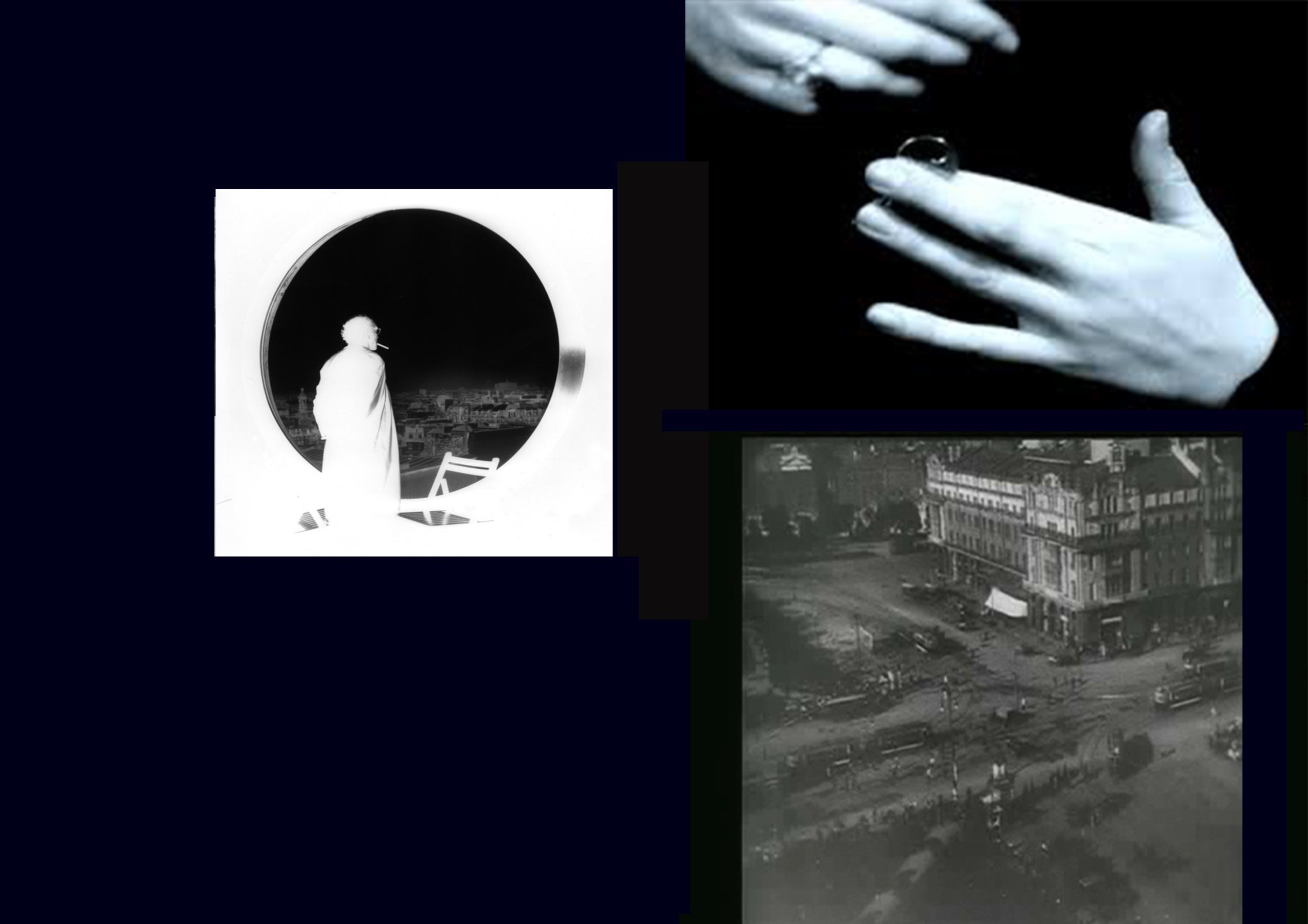
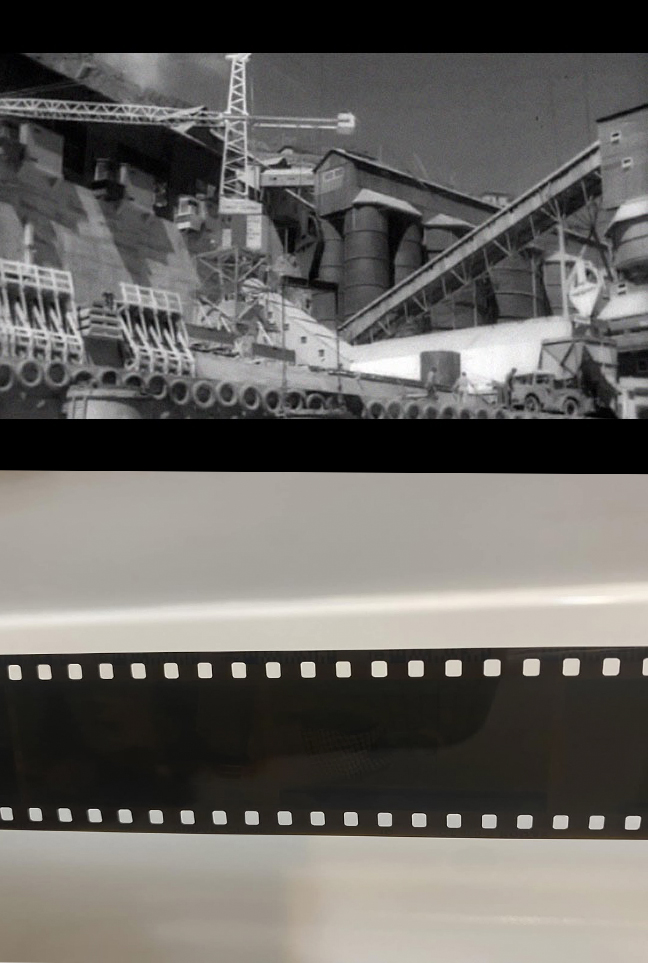
![nº 15. - NUEVA-JE VOUS SALUE SARAJEVO compo Jean-Luc Godard, Je vous salue Sarajevo, 2’, vidéo, couleur, 1993 [2’09]..](https://juansilio.com/web/wp-content/uploads/2026/08/no-15.-NUEVA-22JE-VOUS-SALUE-SARAJEVO22-compo-Jean-Luc-Godard-Je-vous-salue-Sarajevo-2-video-couleur-1993-209-e1789116901696.jpg)
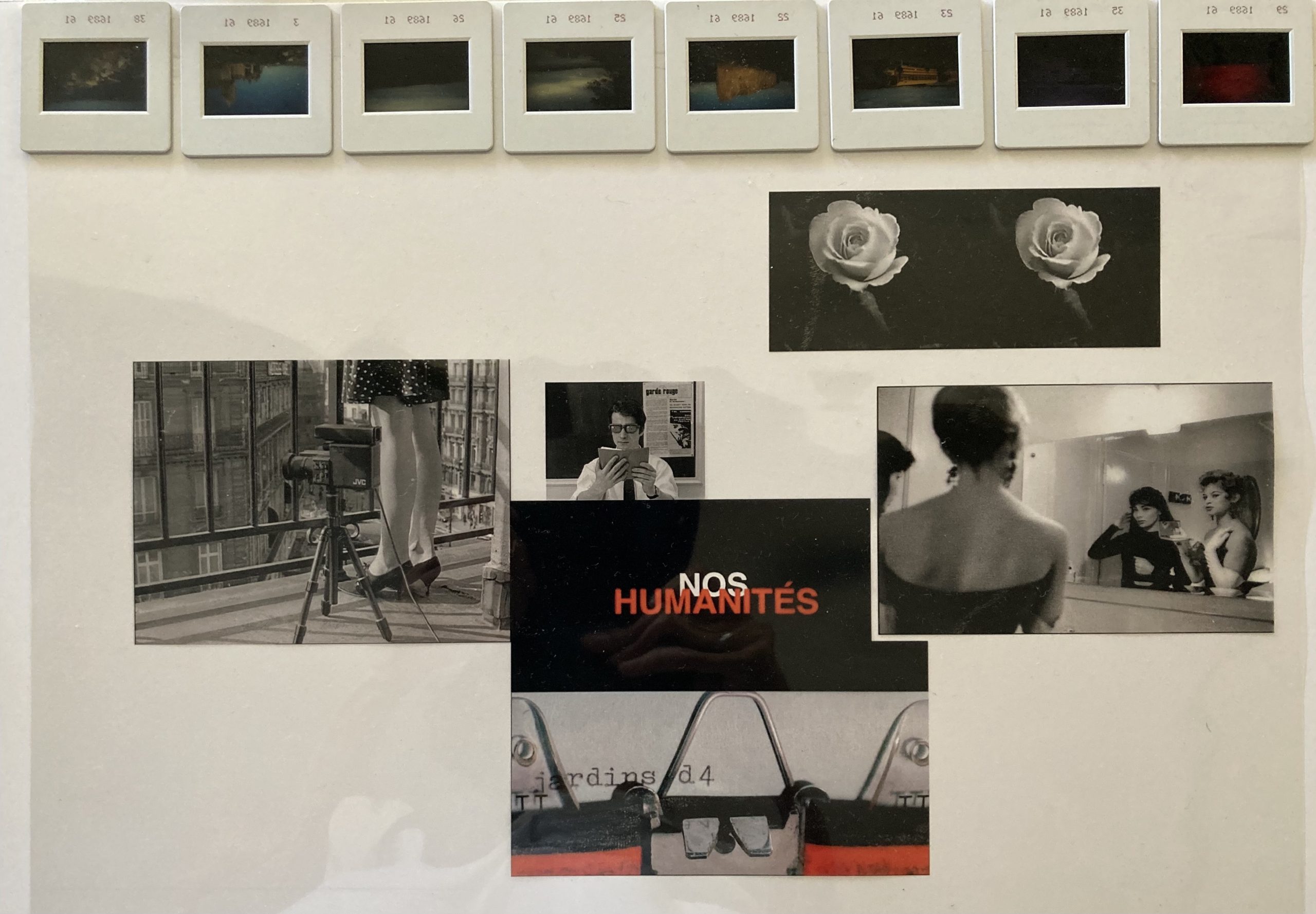
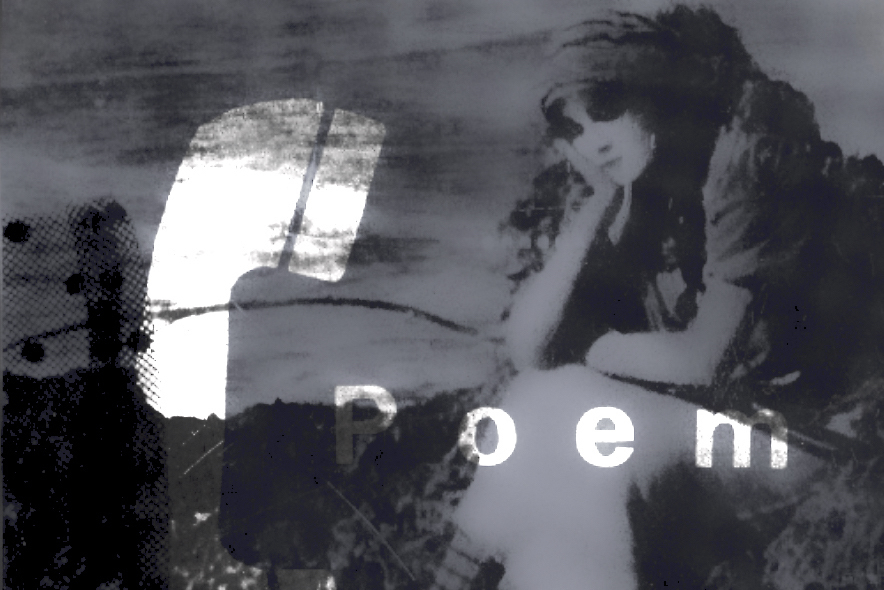
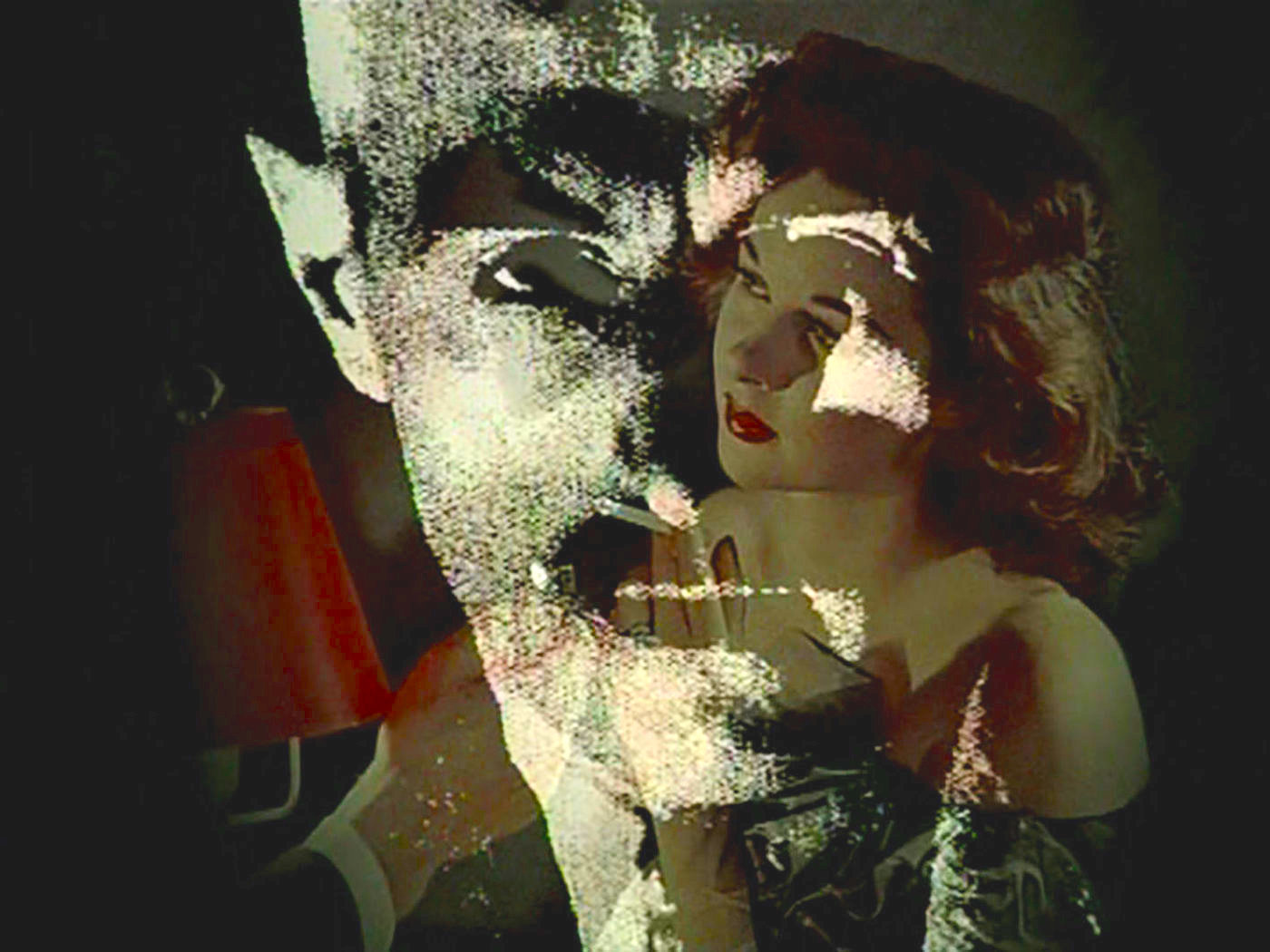
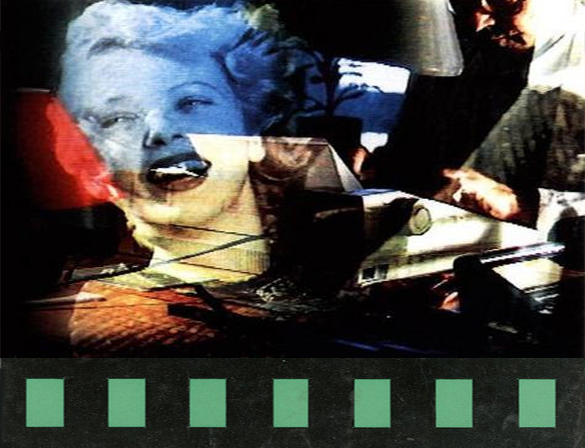
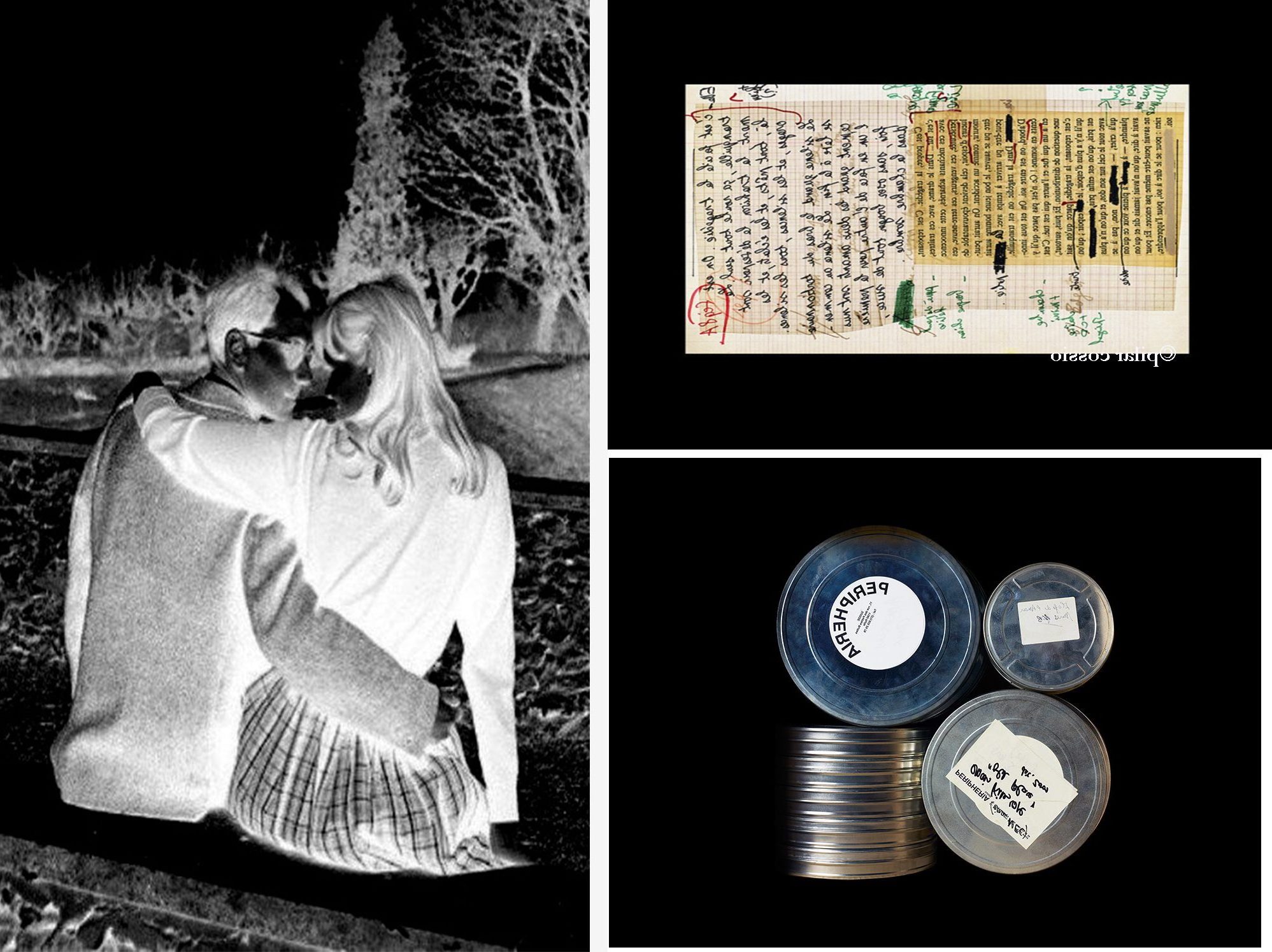
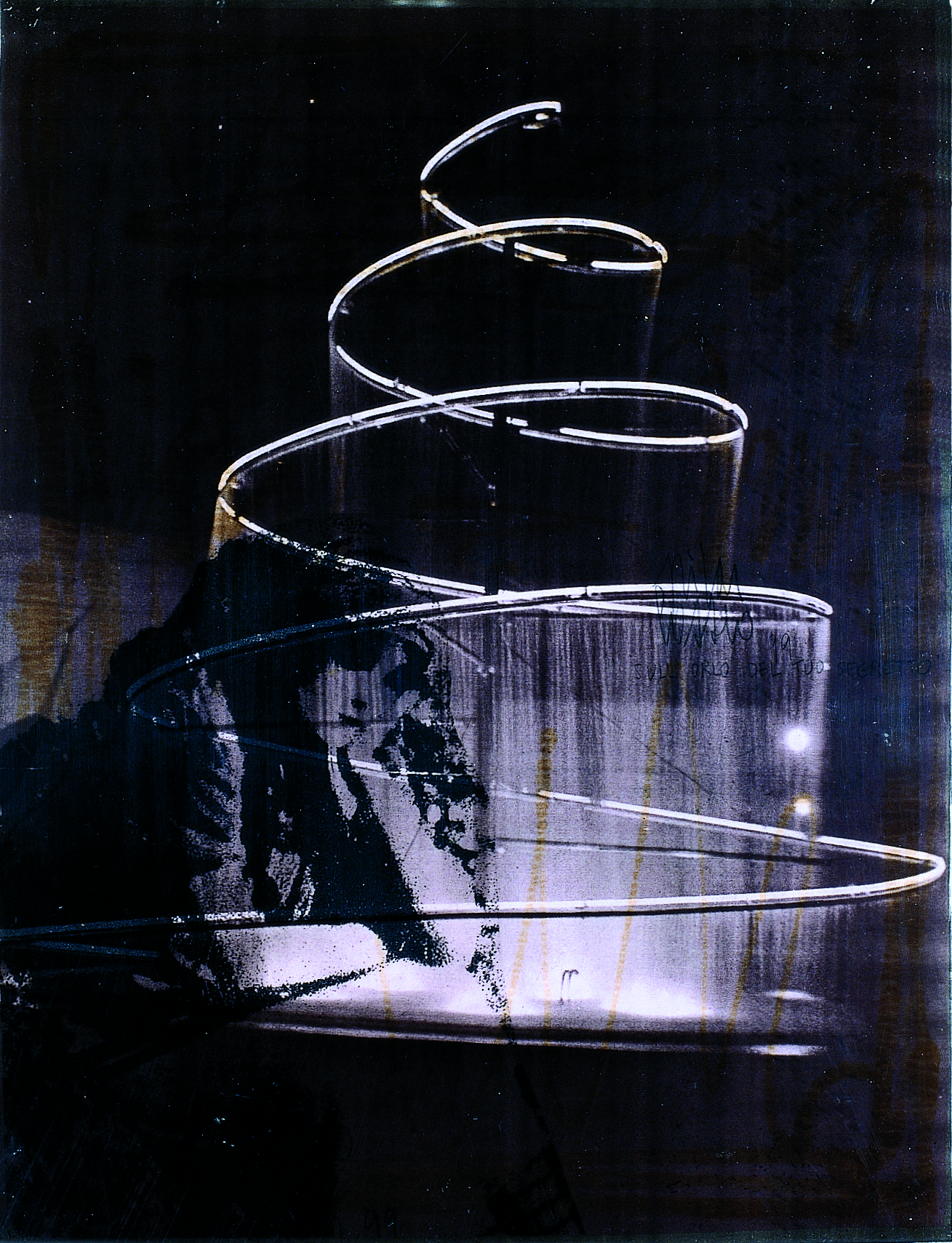
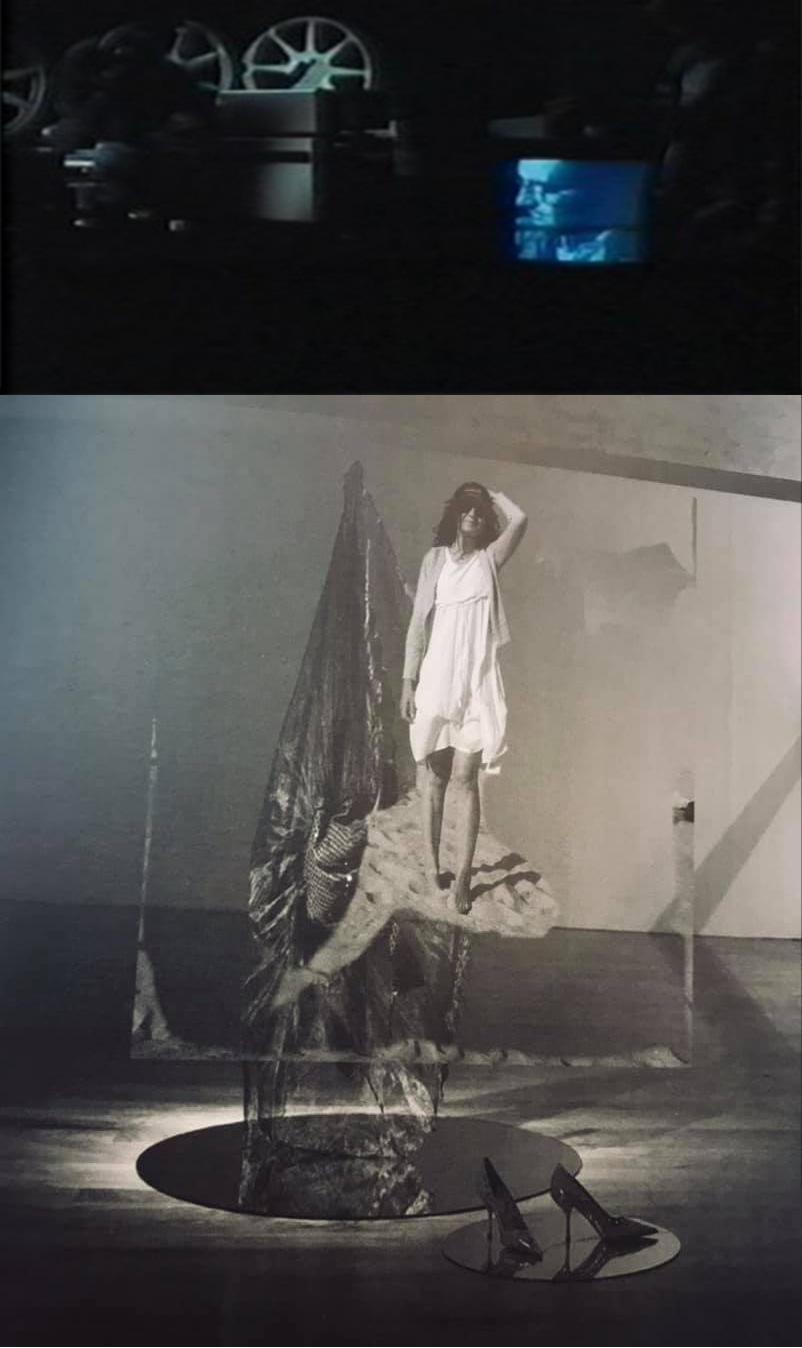
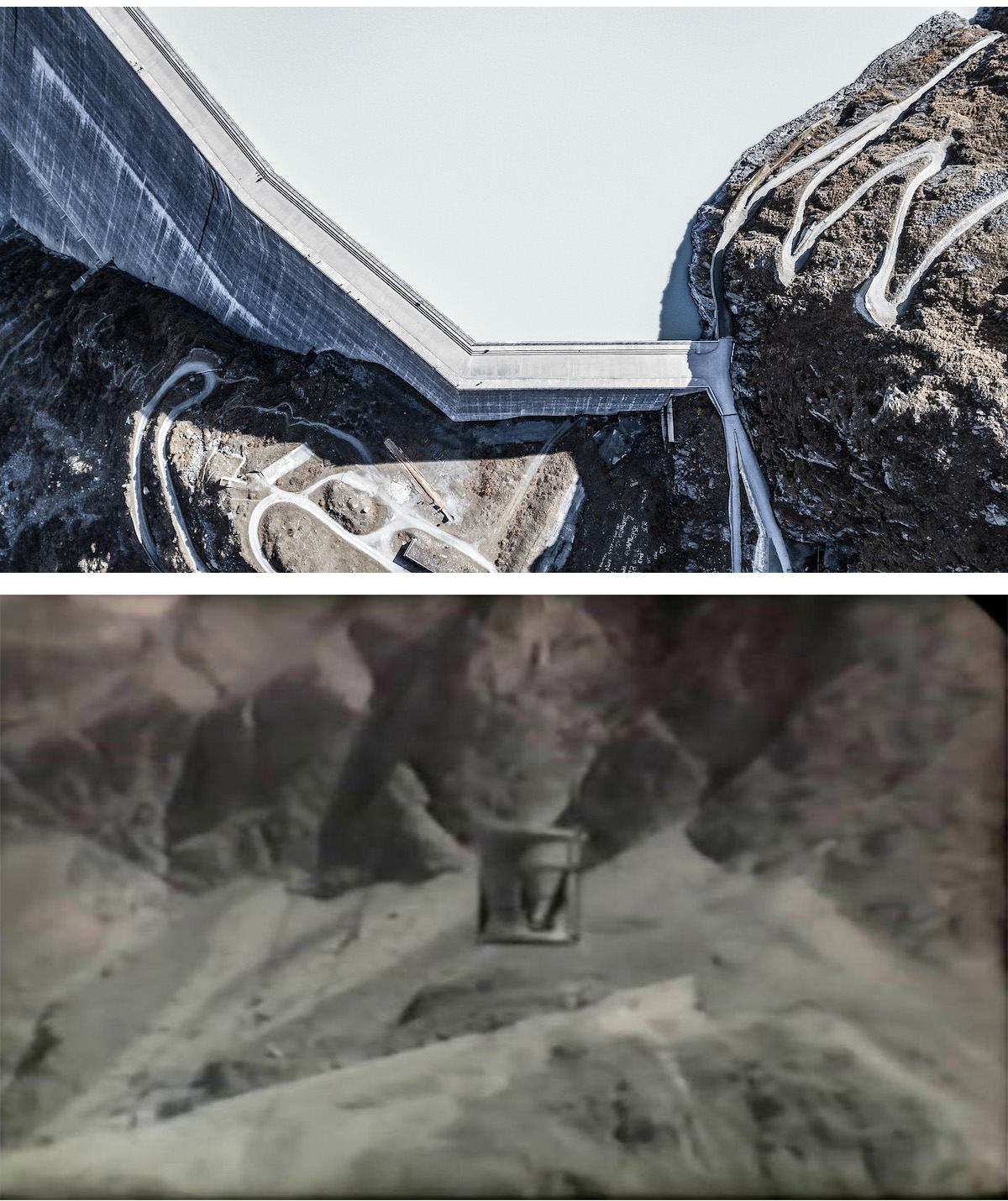
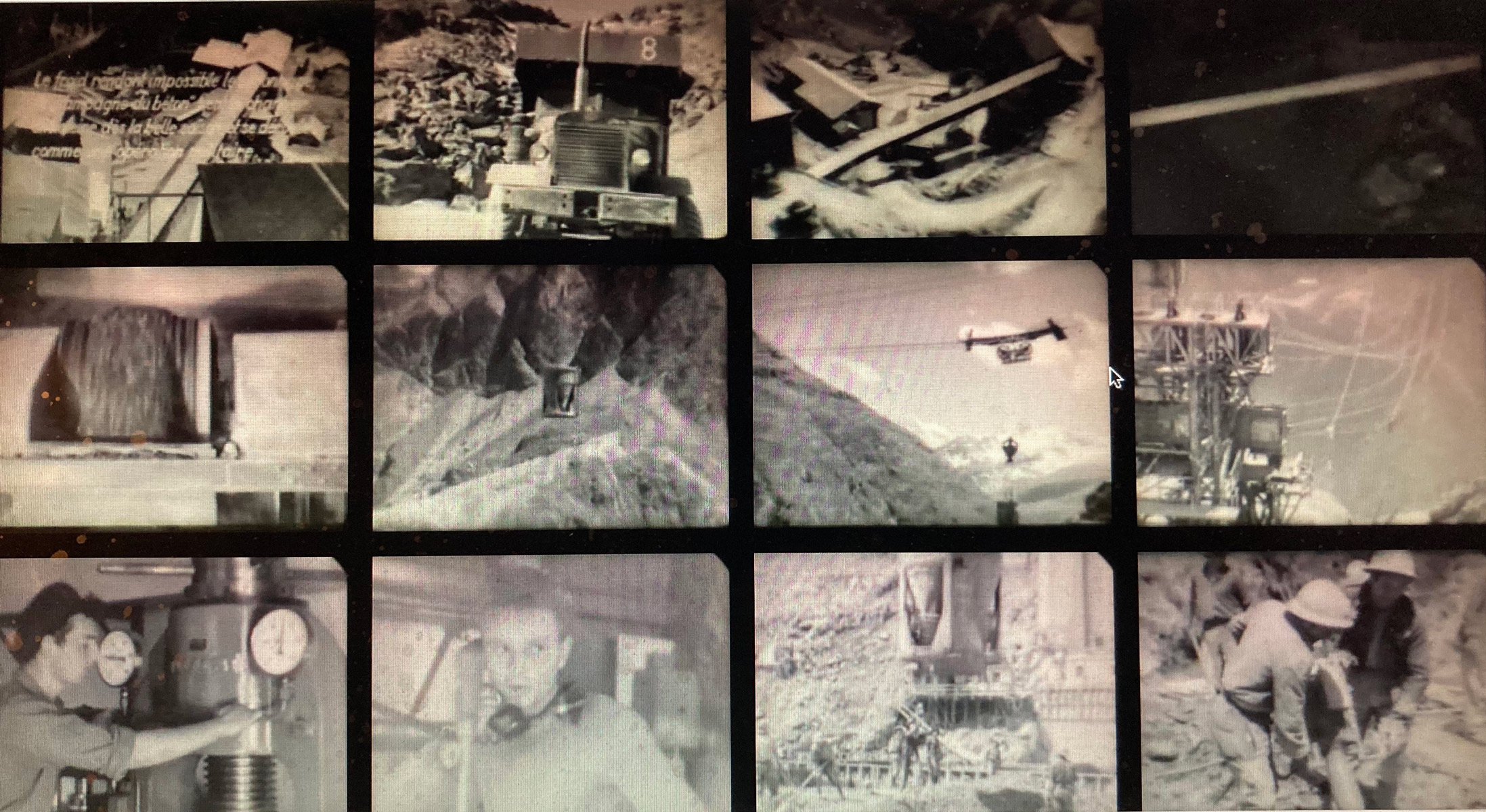
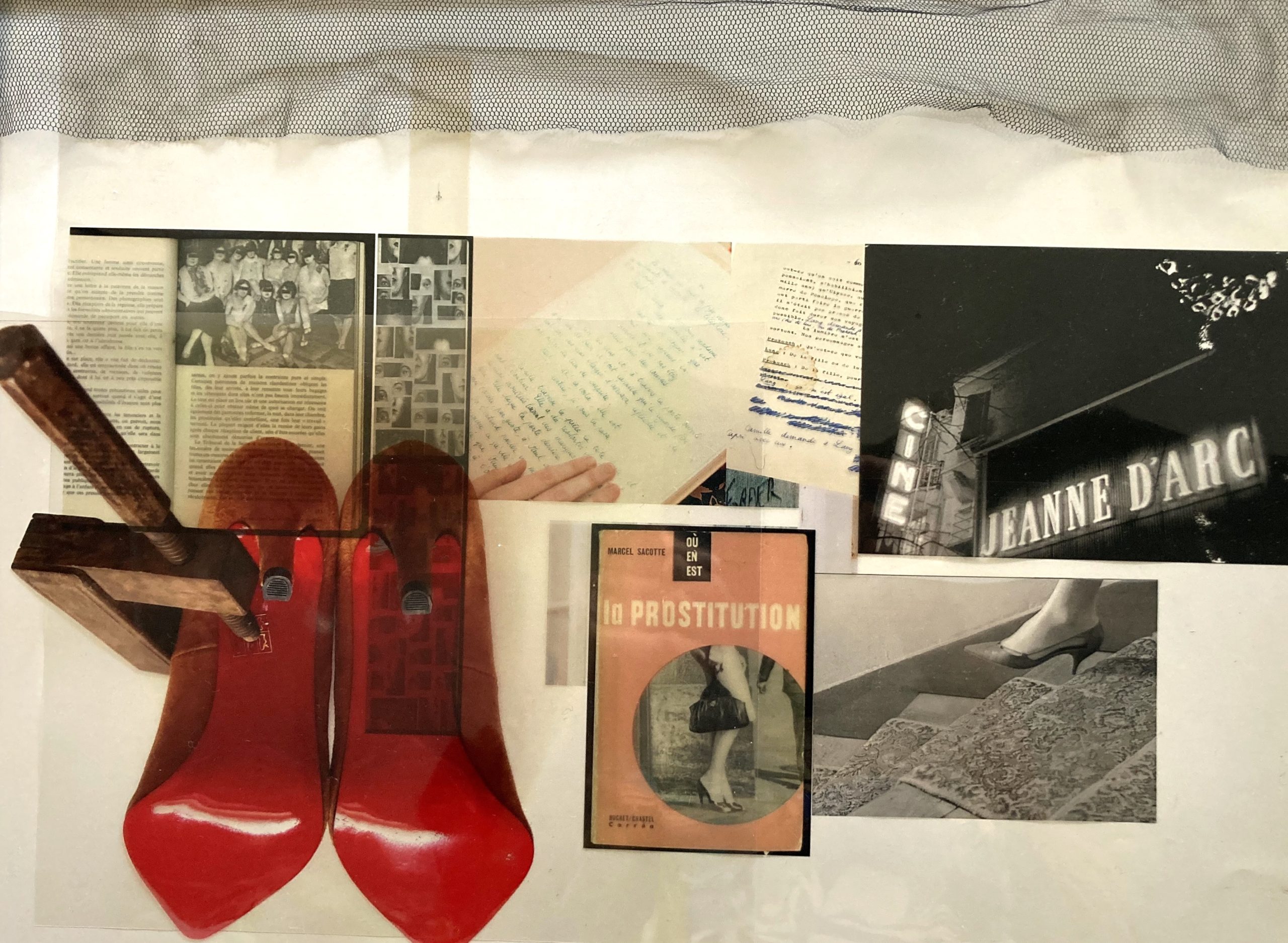
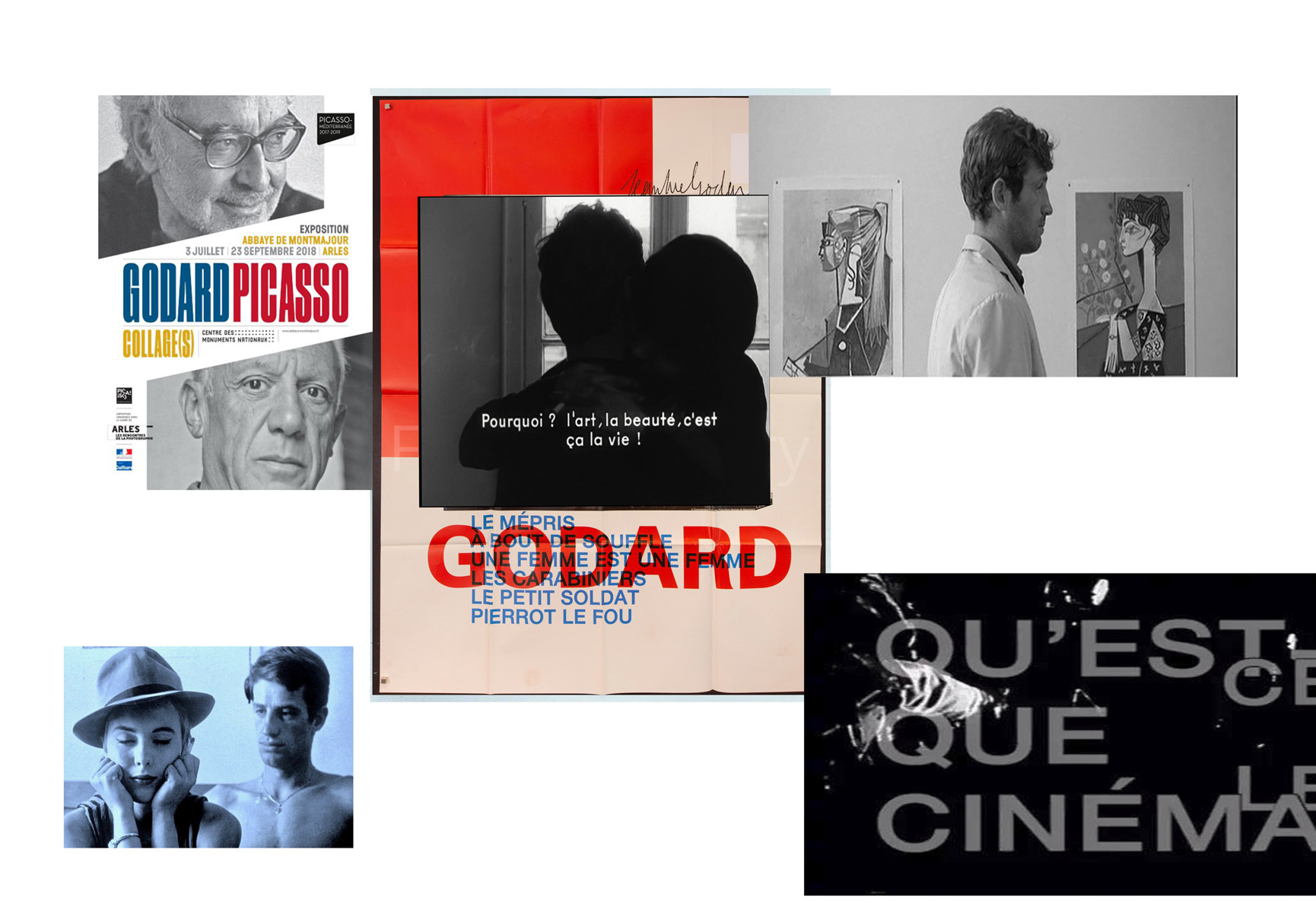
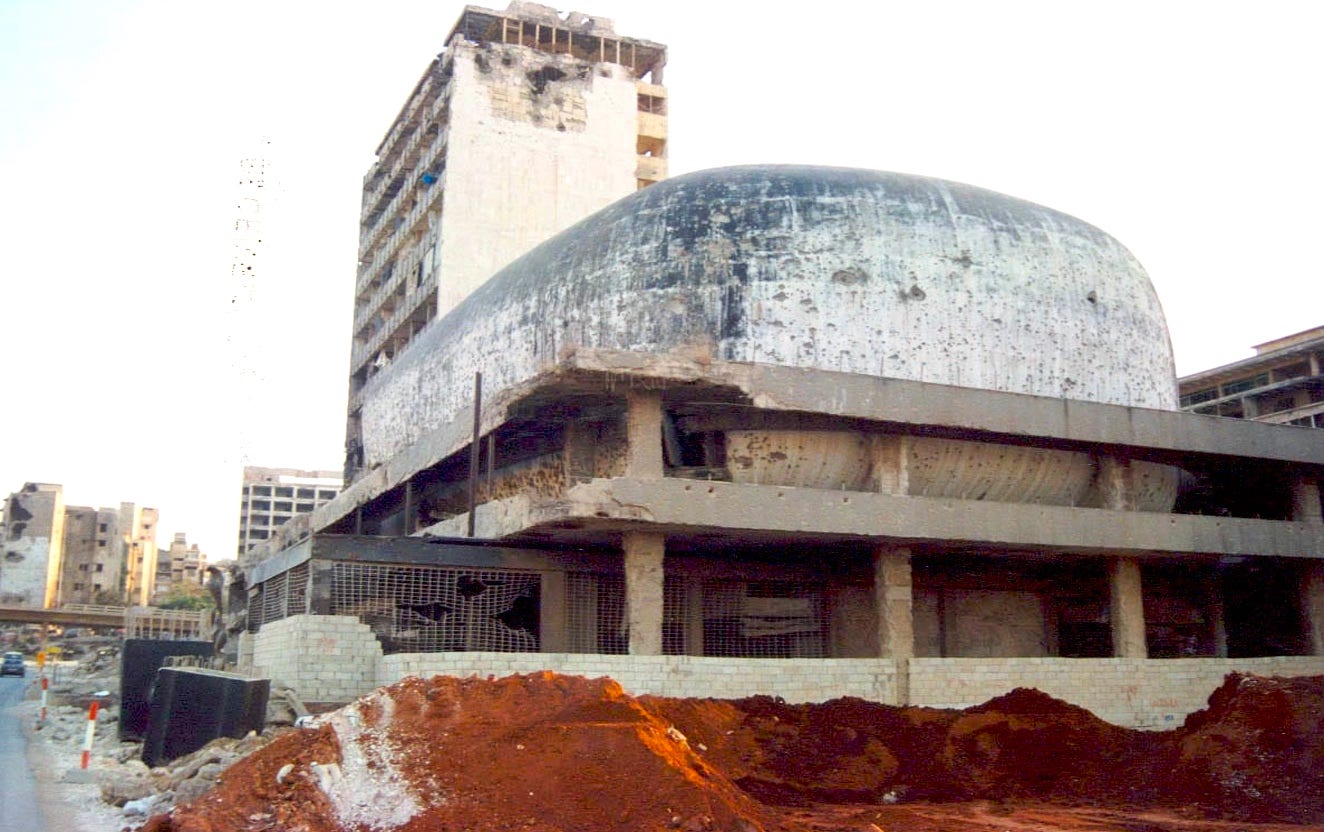
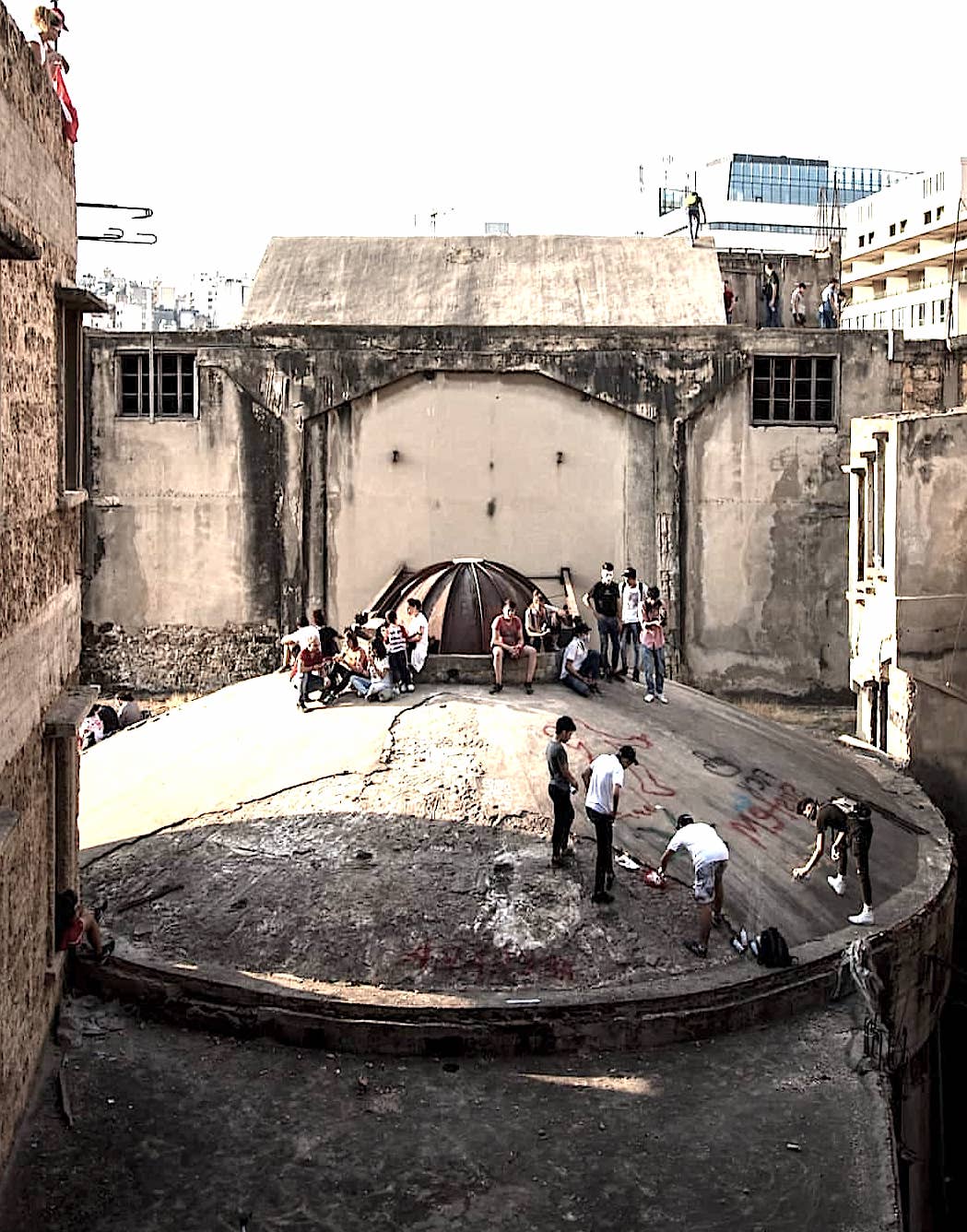
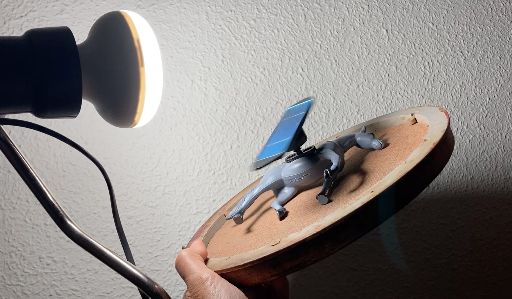
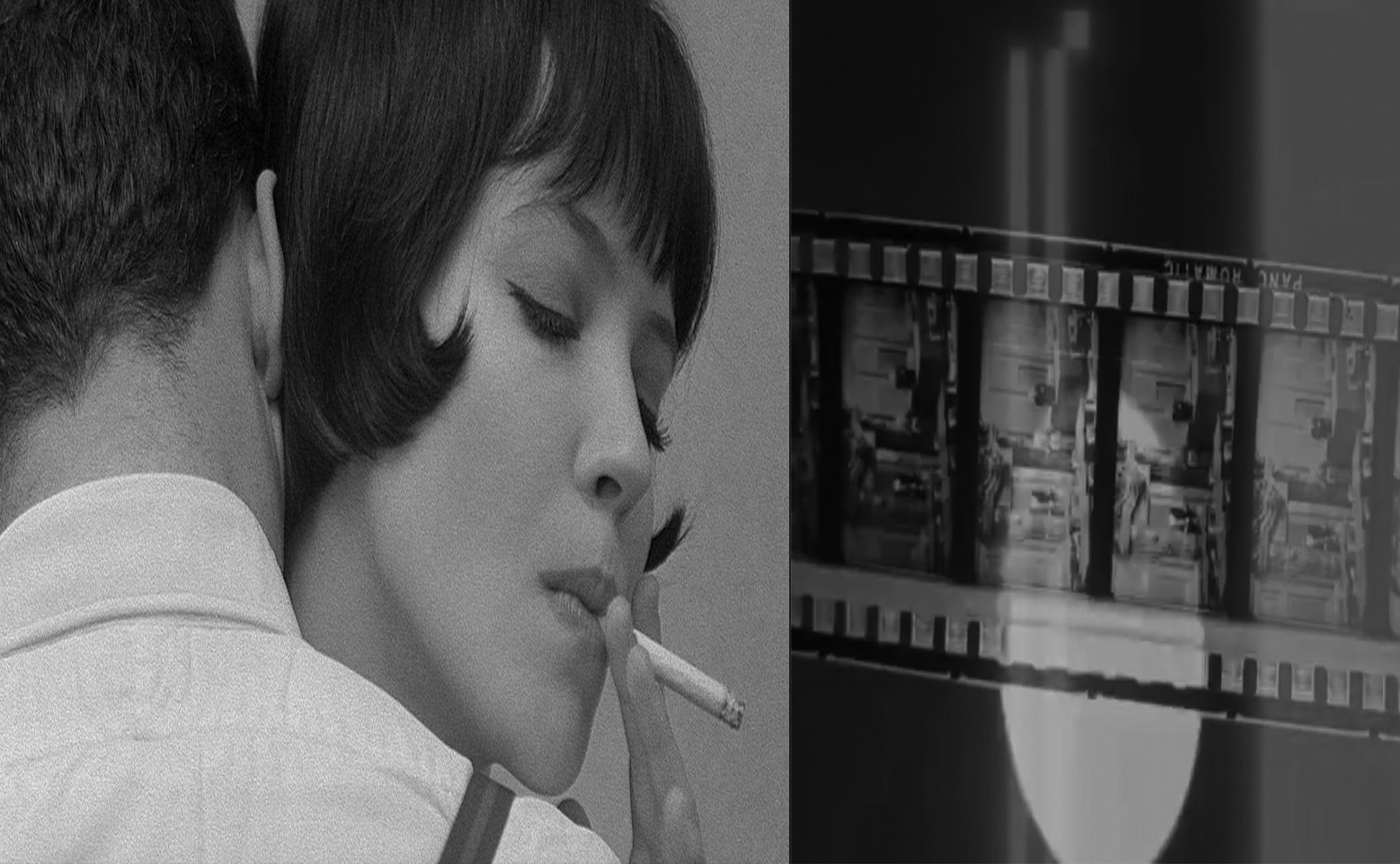
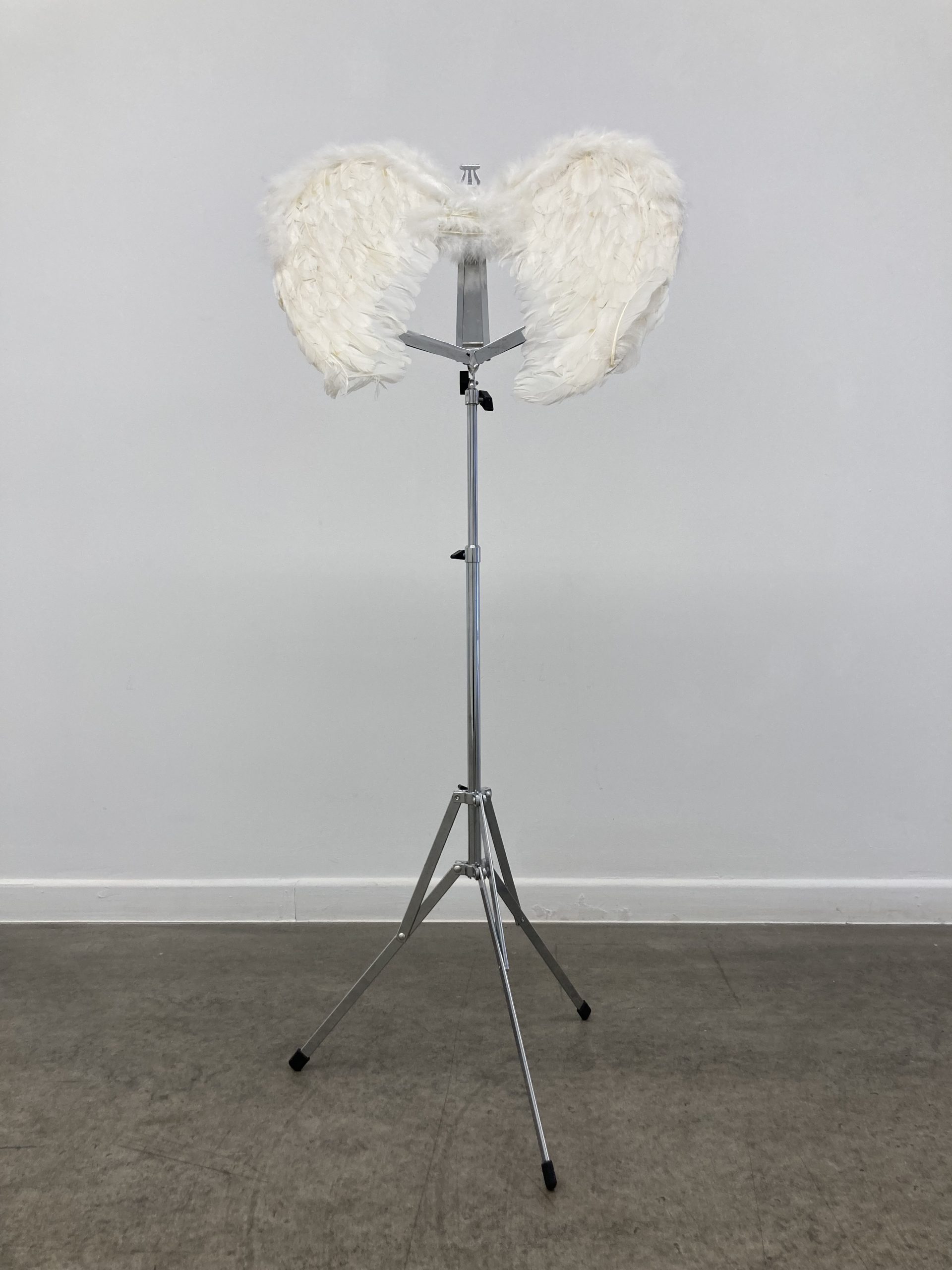
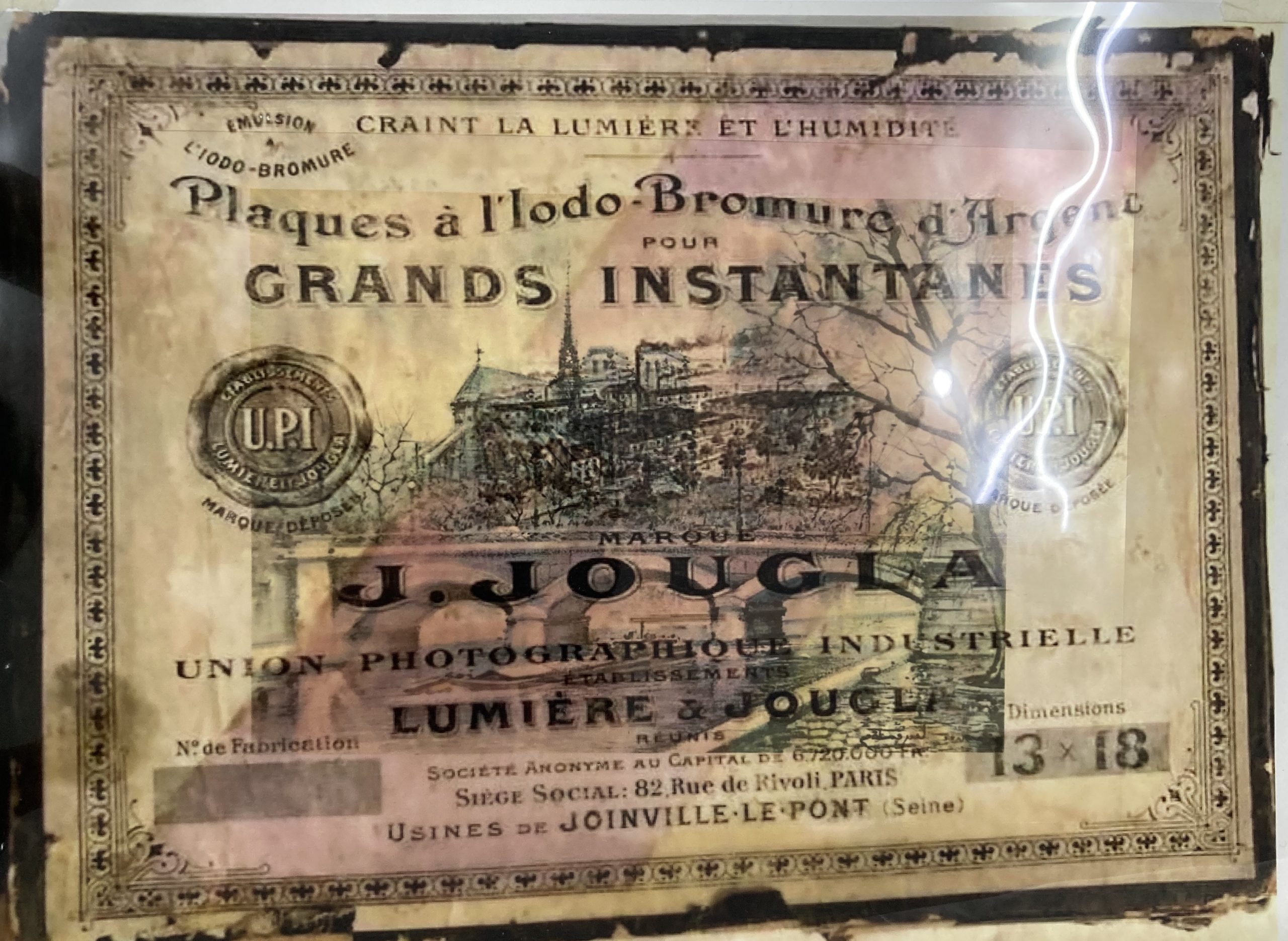
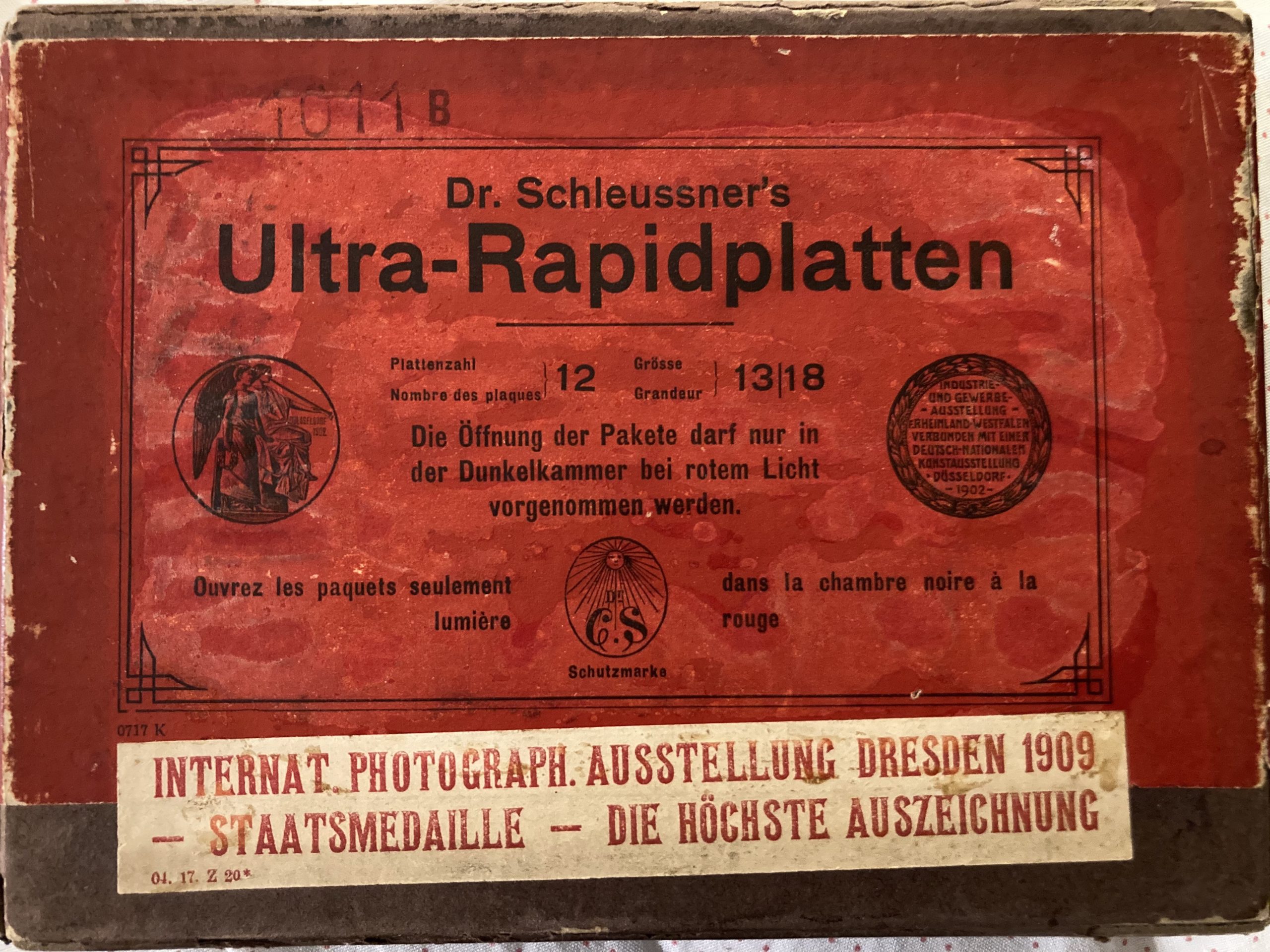
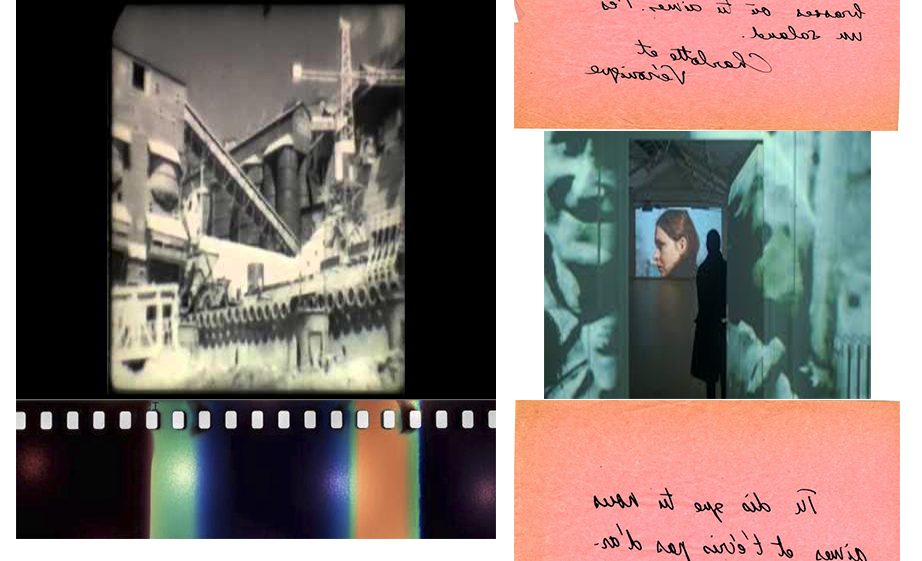
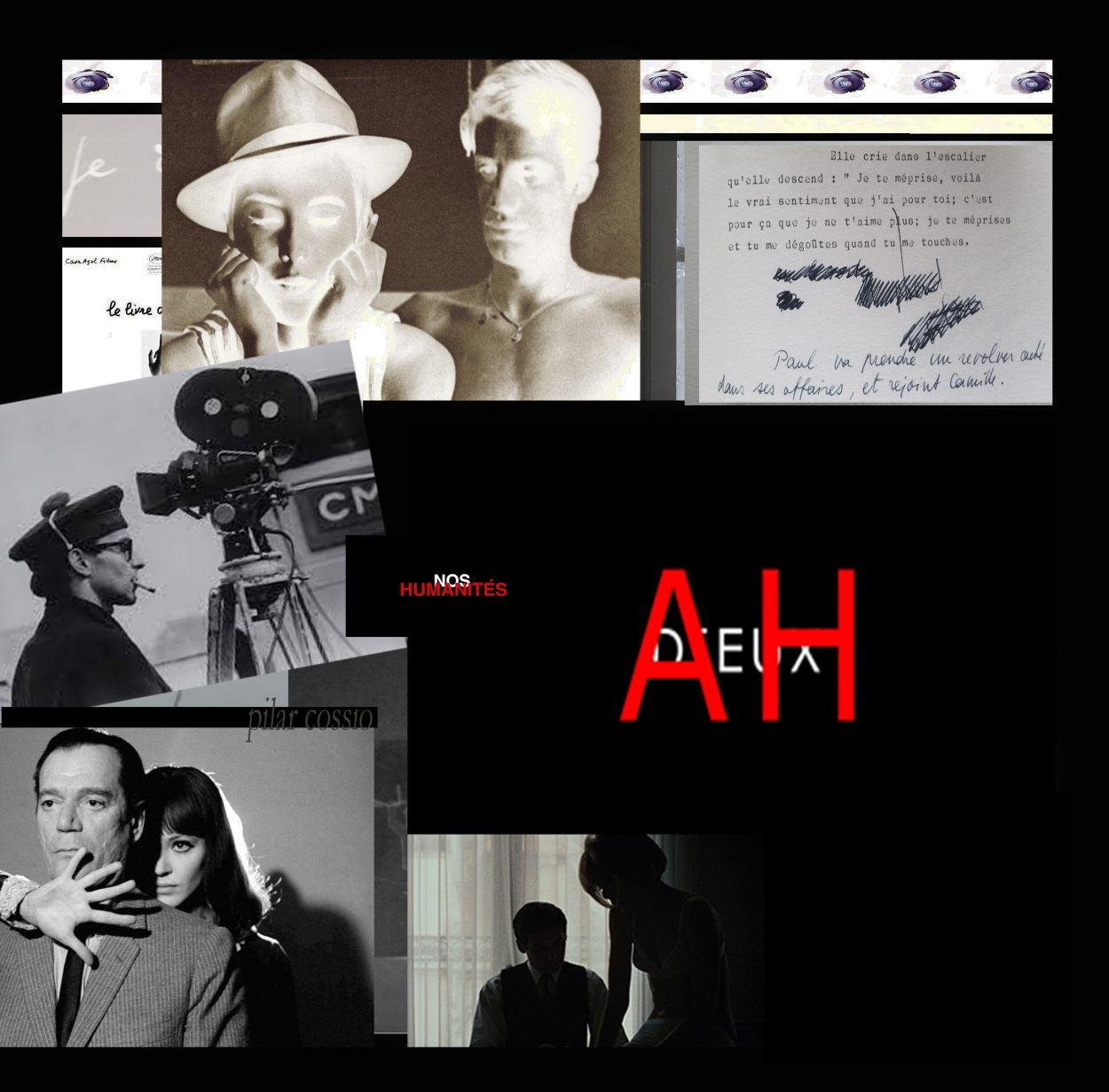
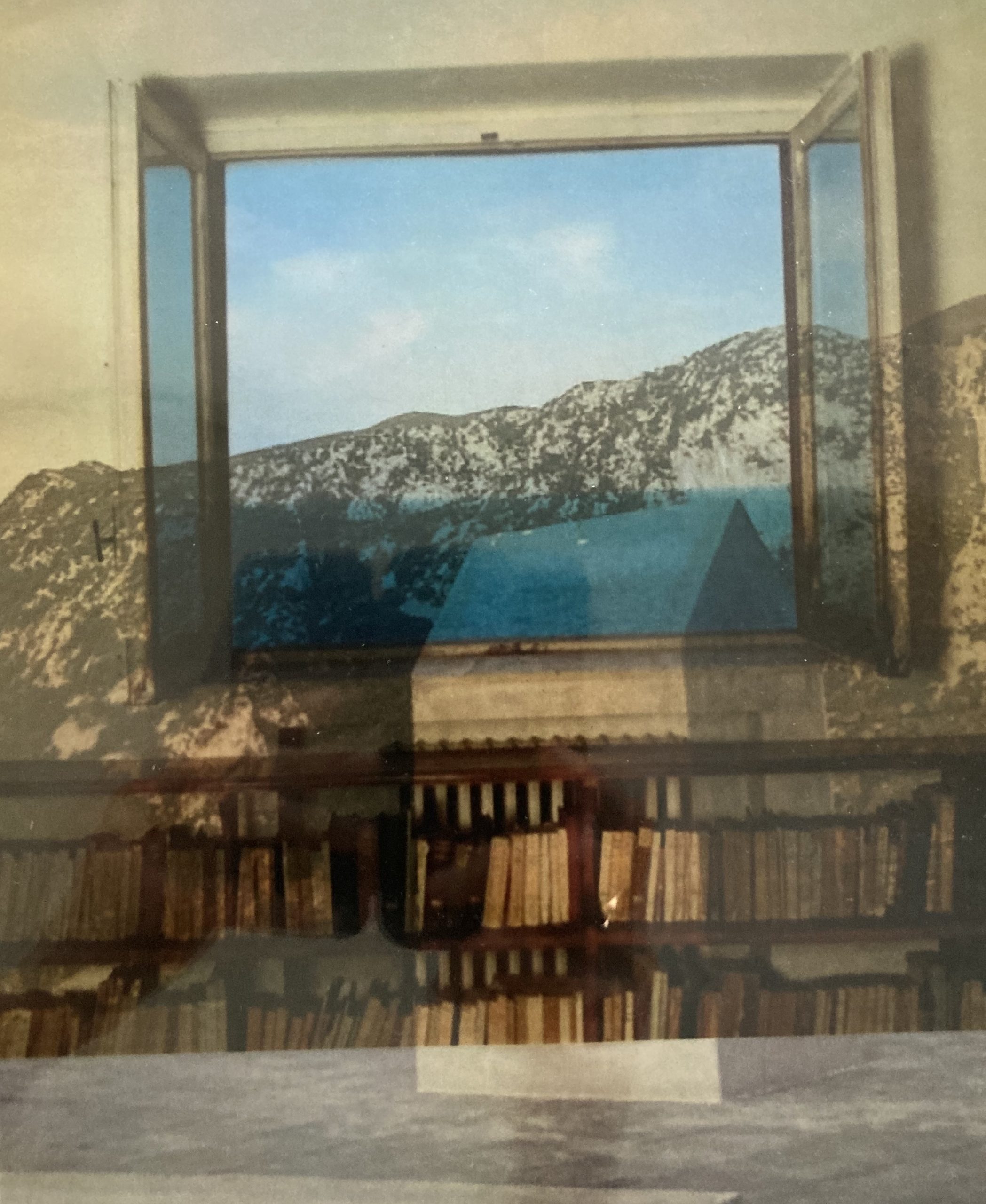
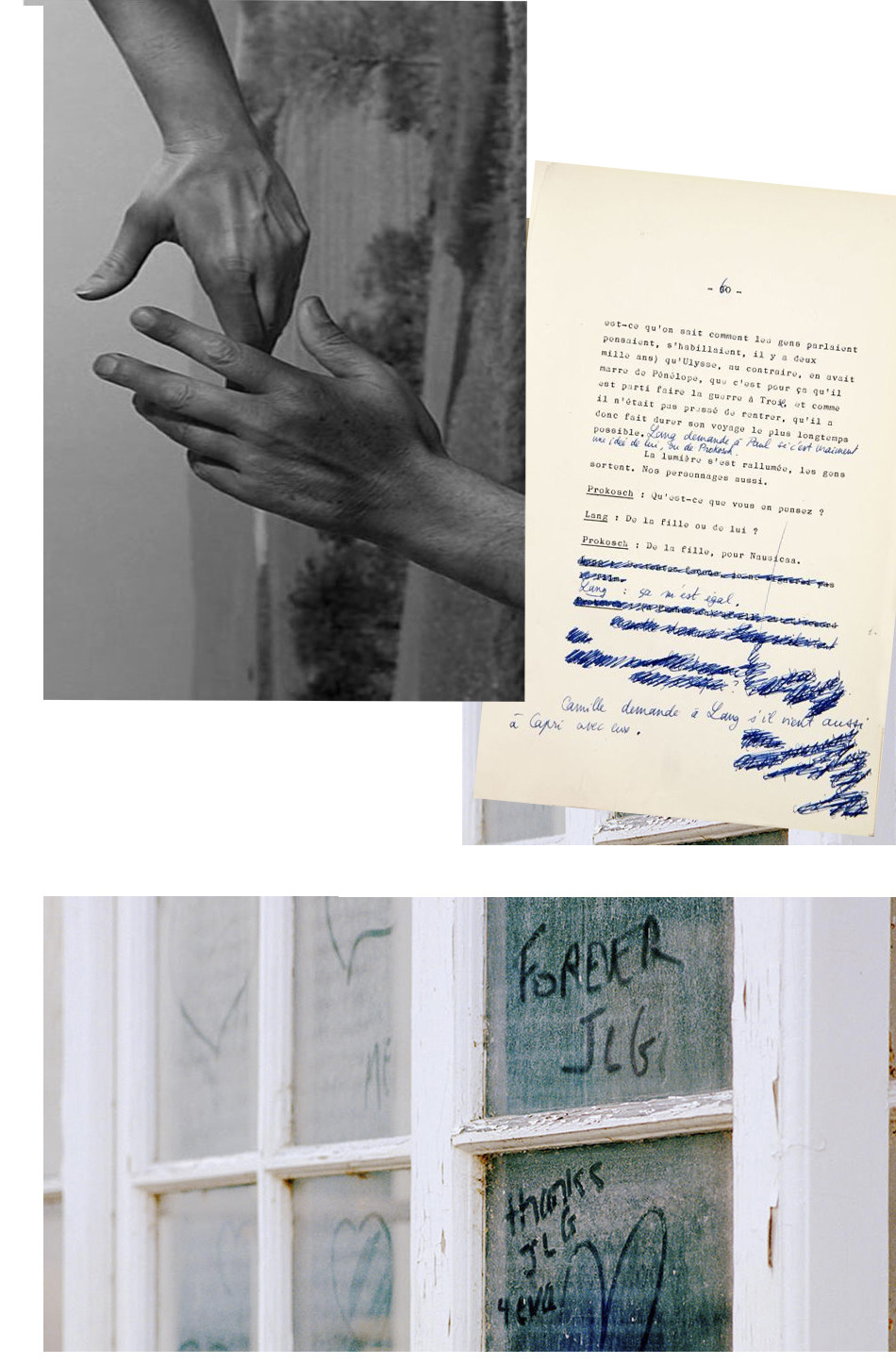
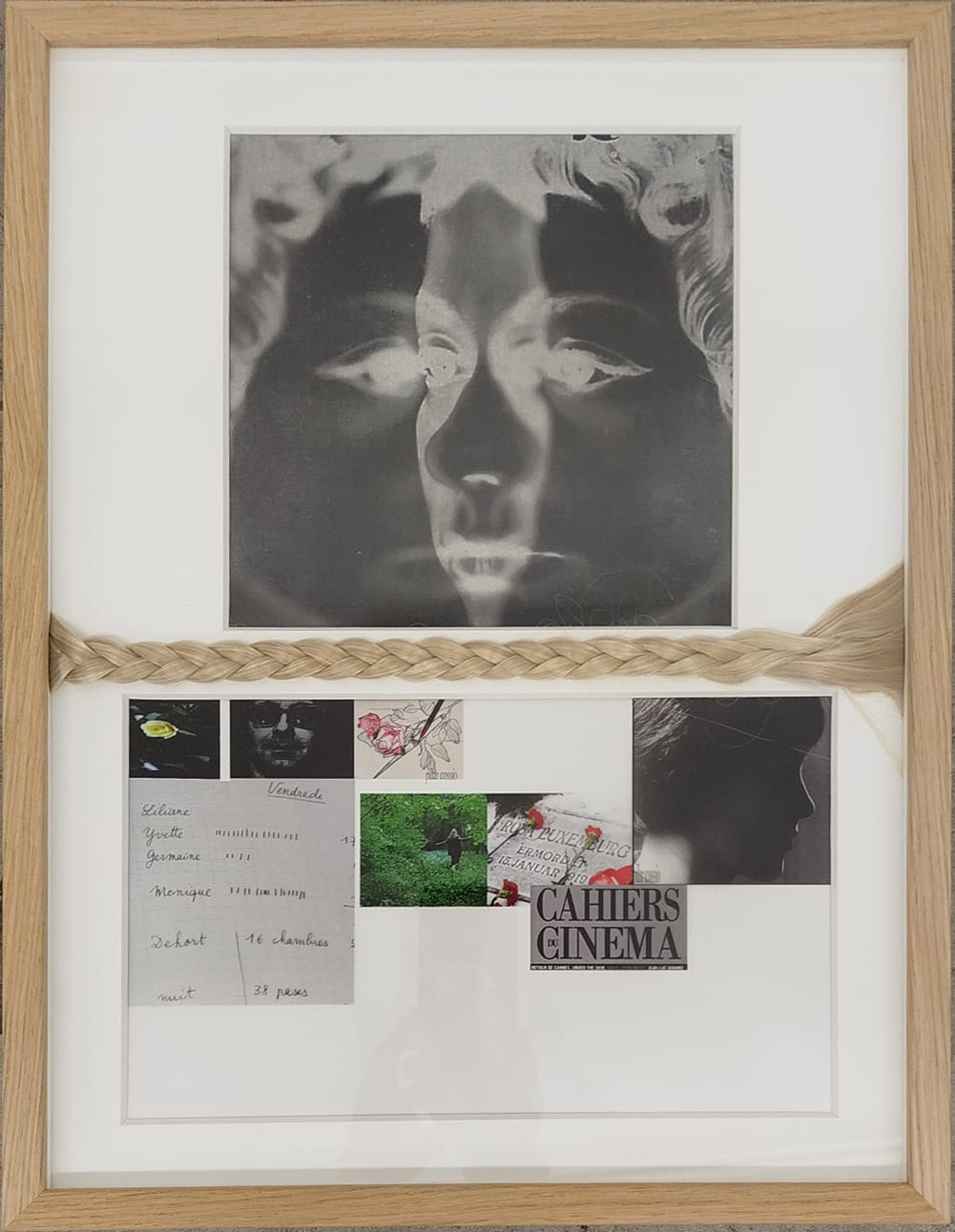
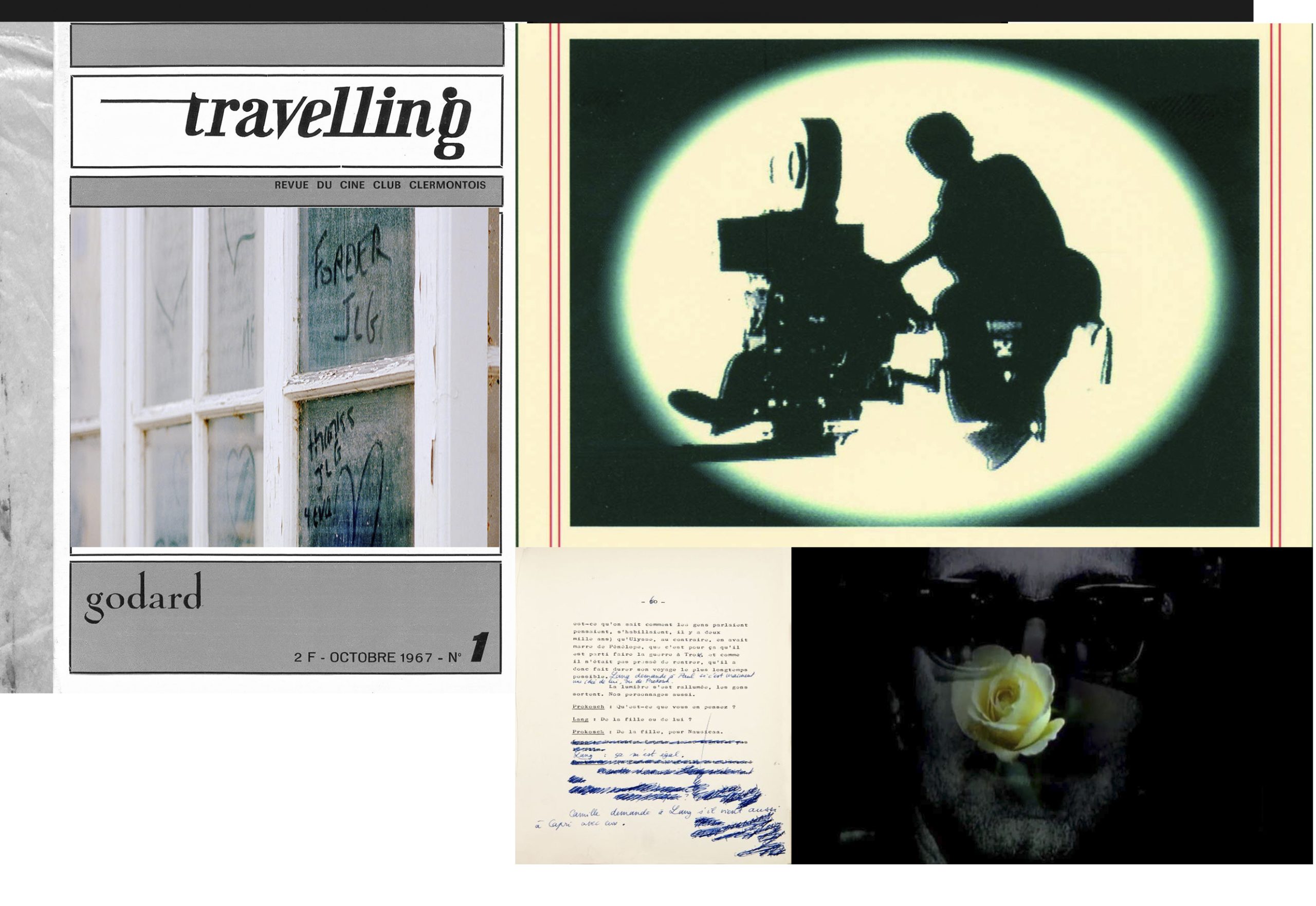
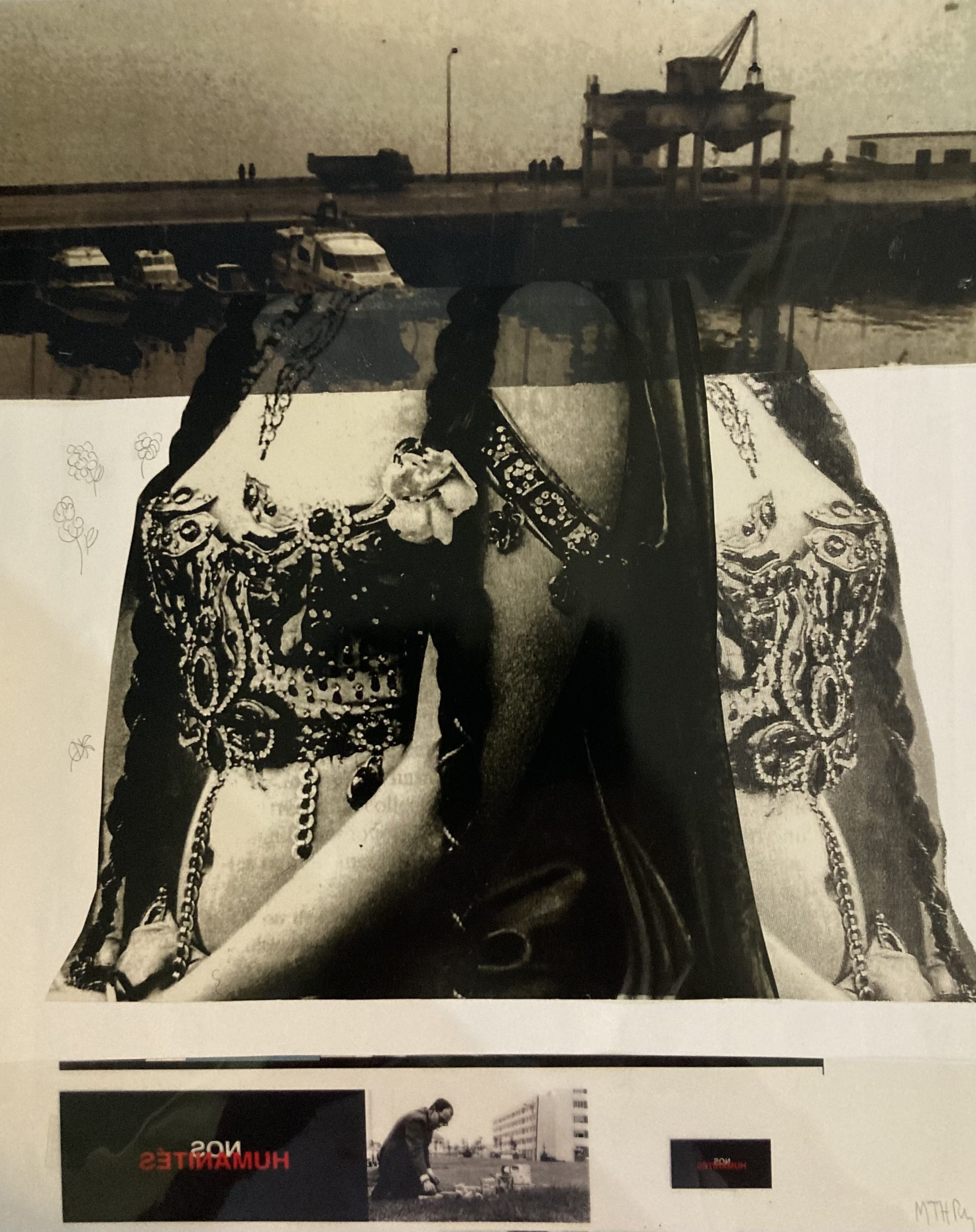
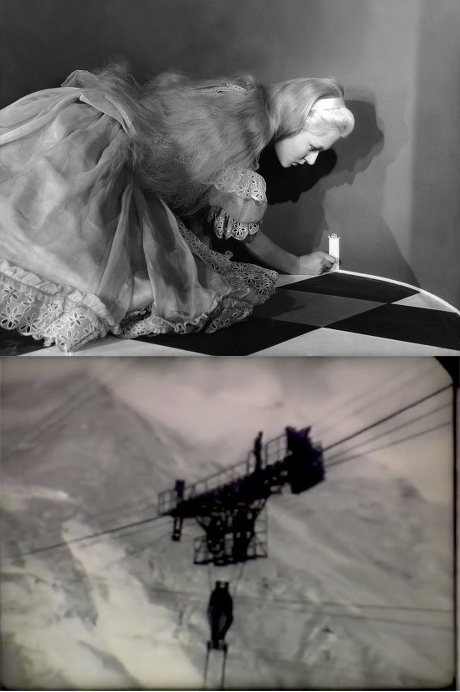
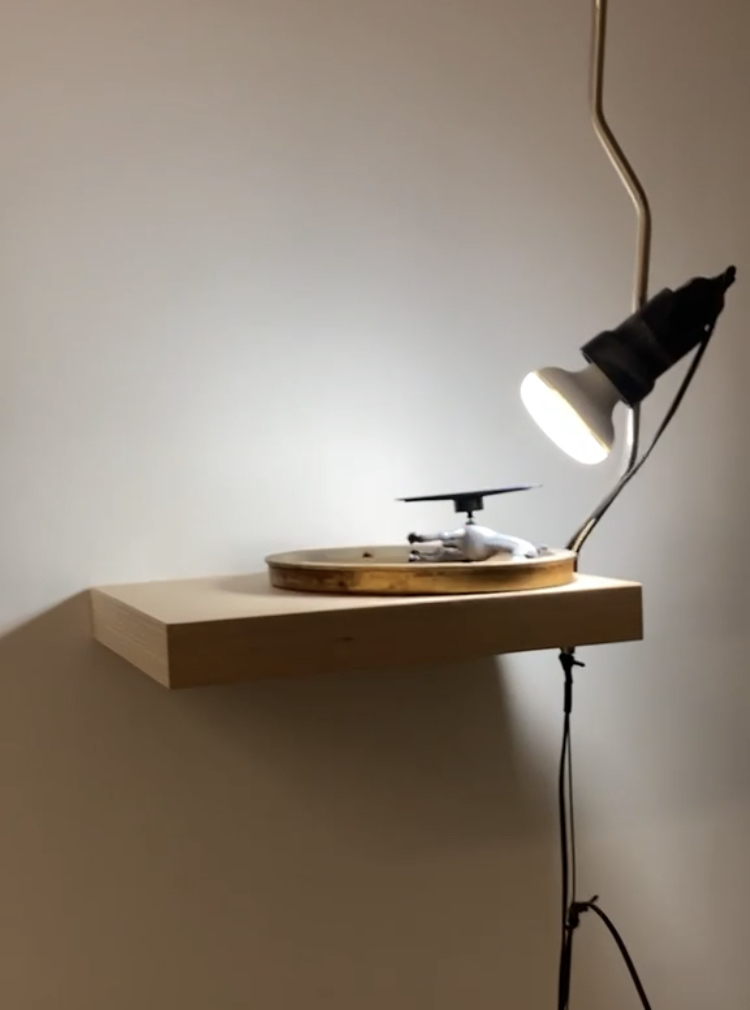
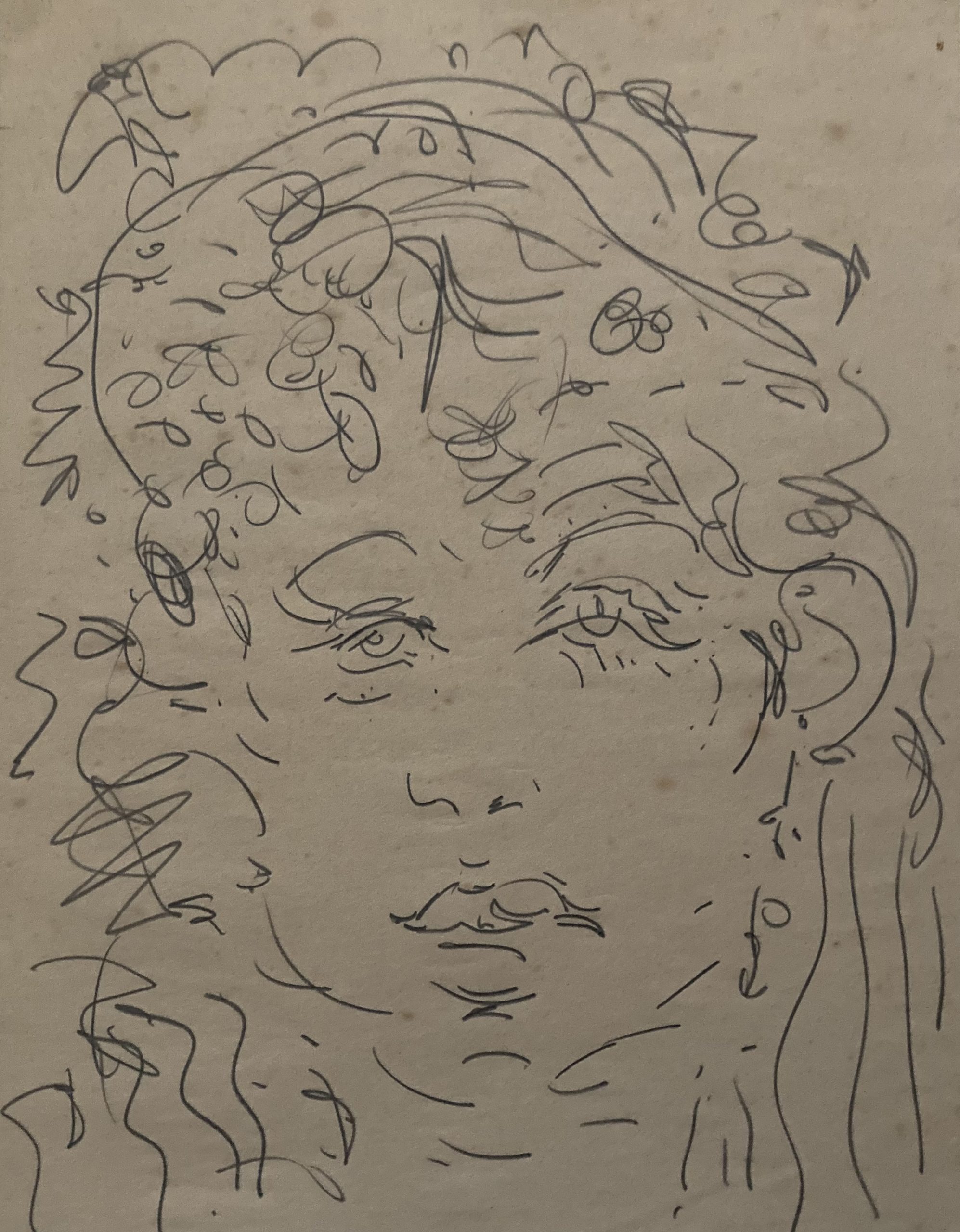
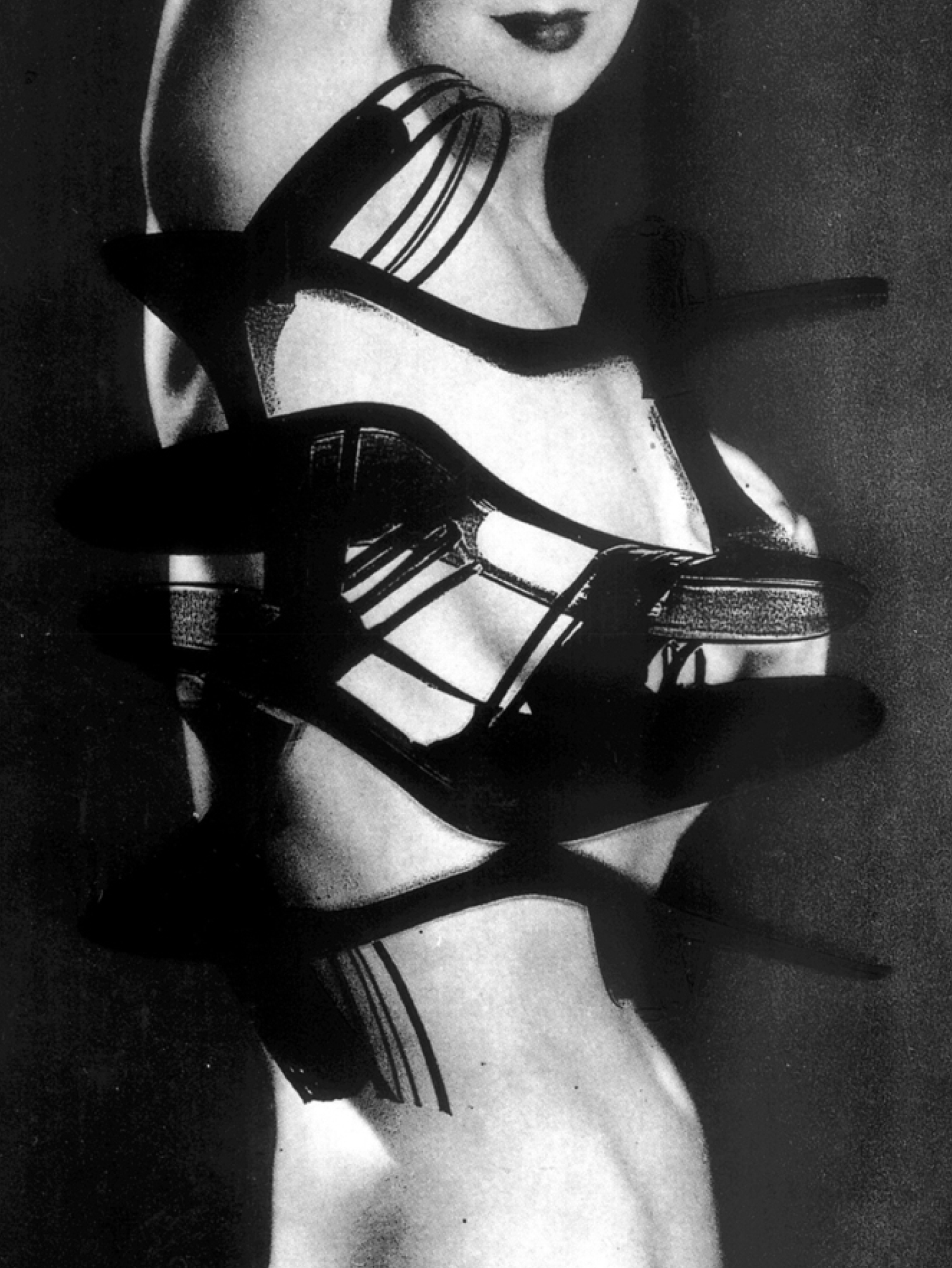
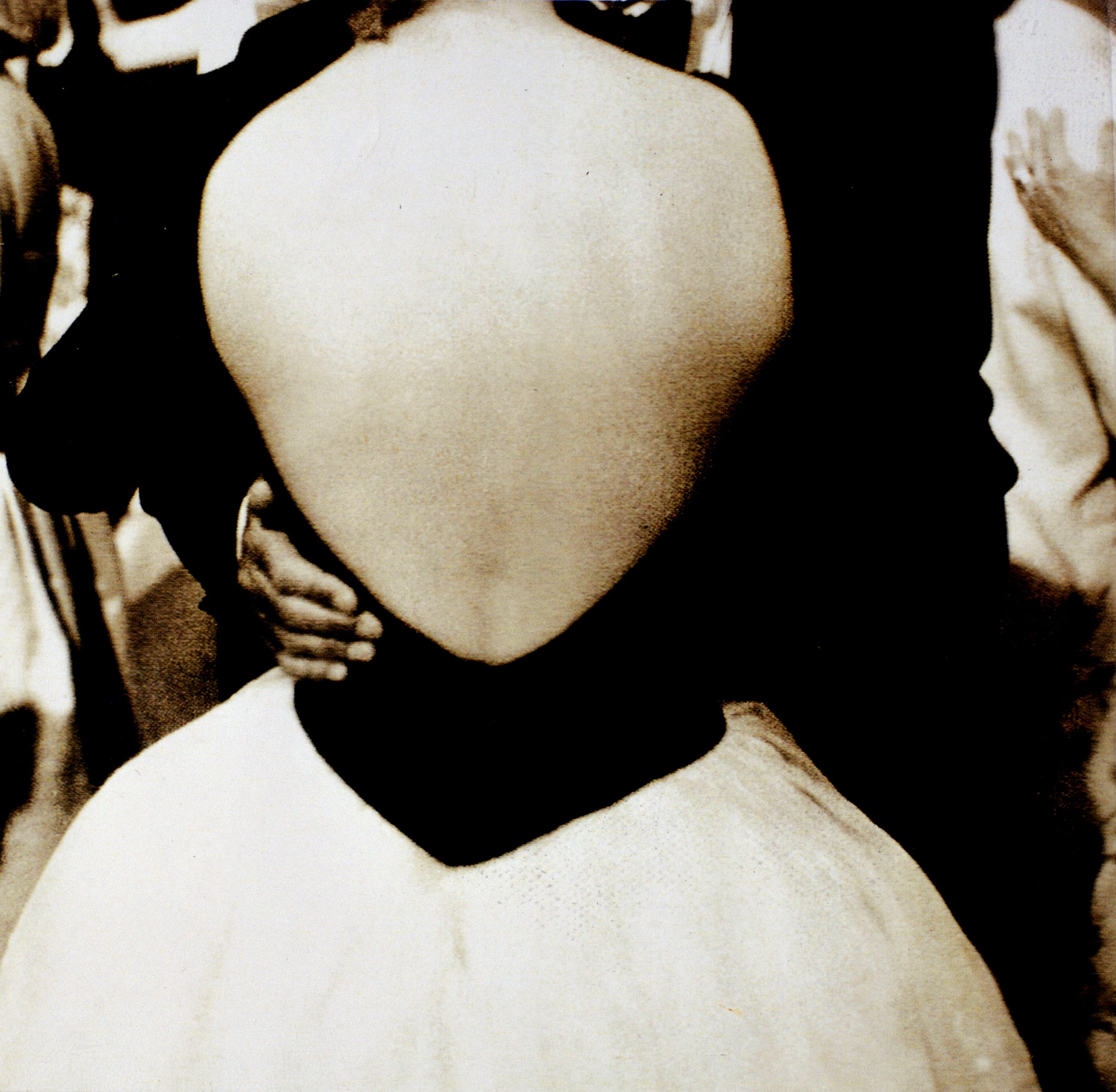
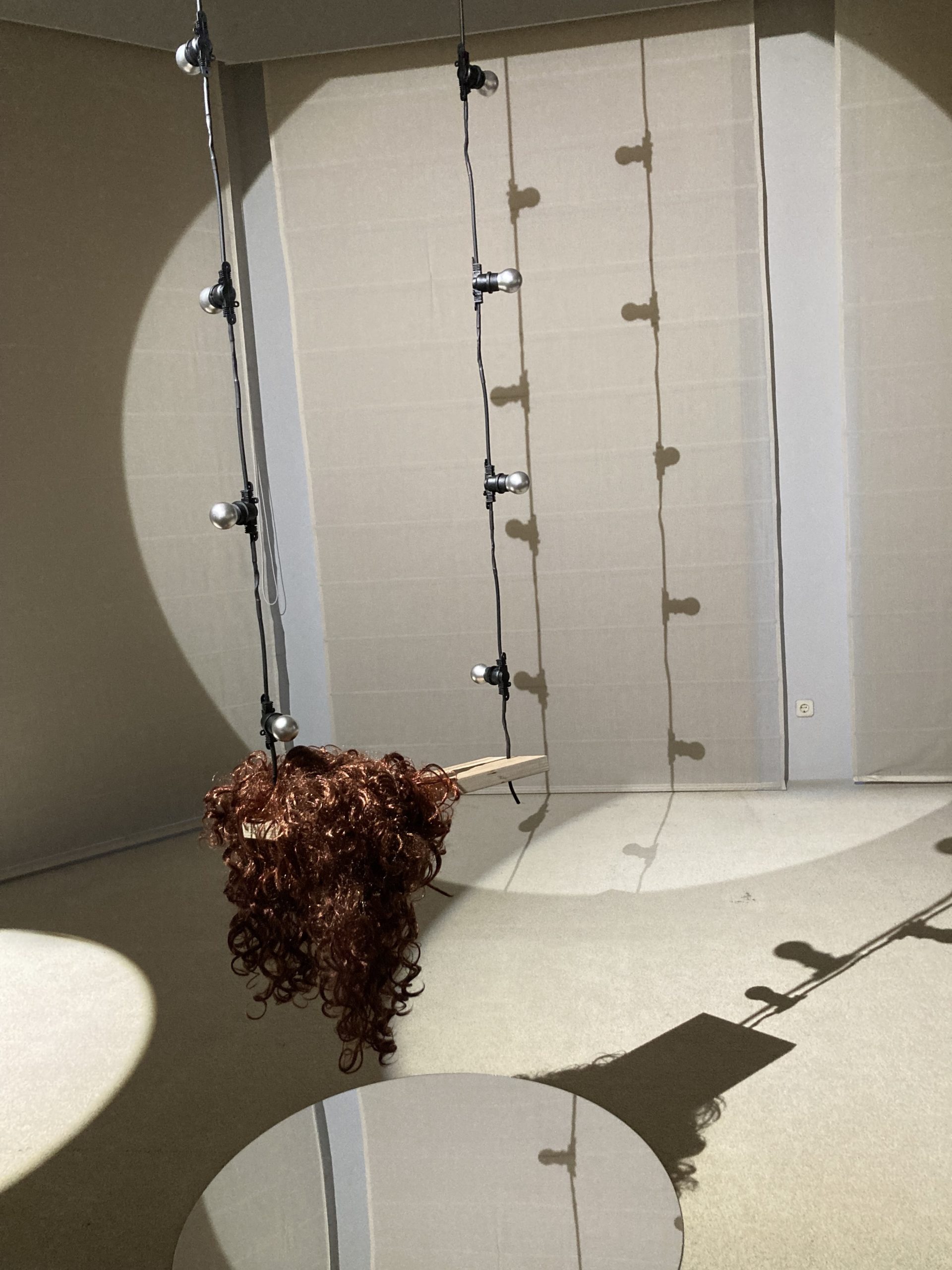
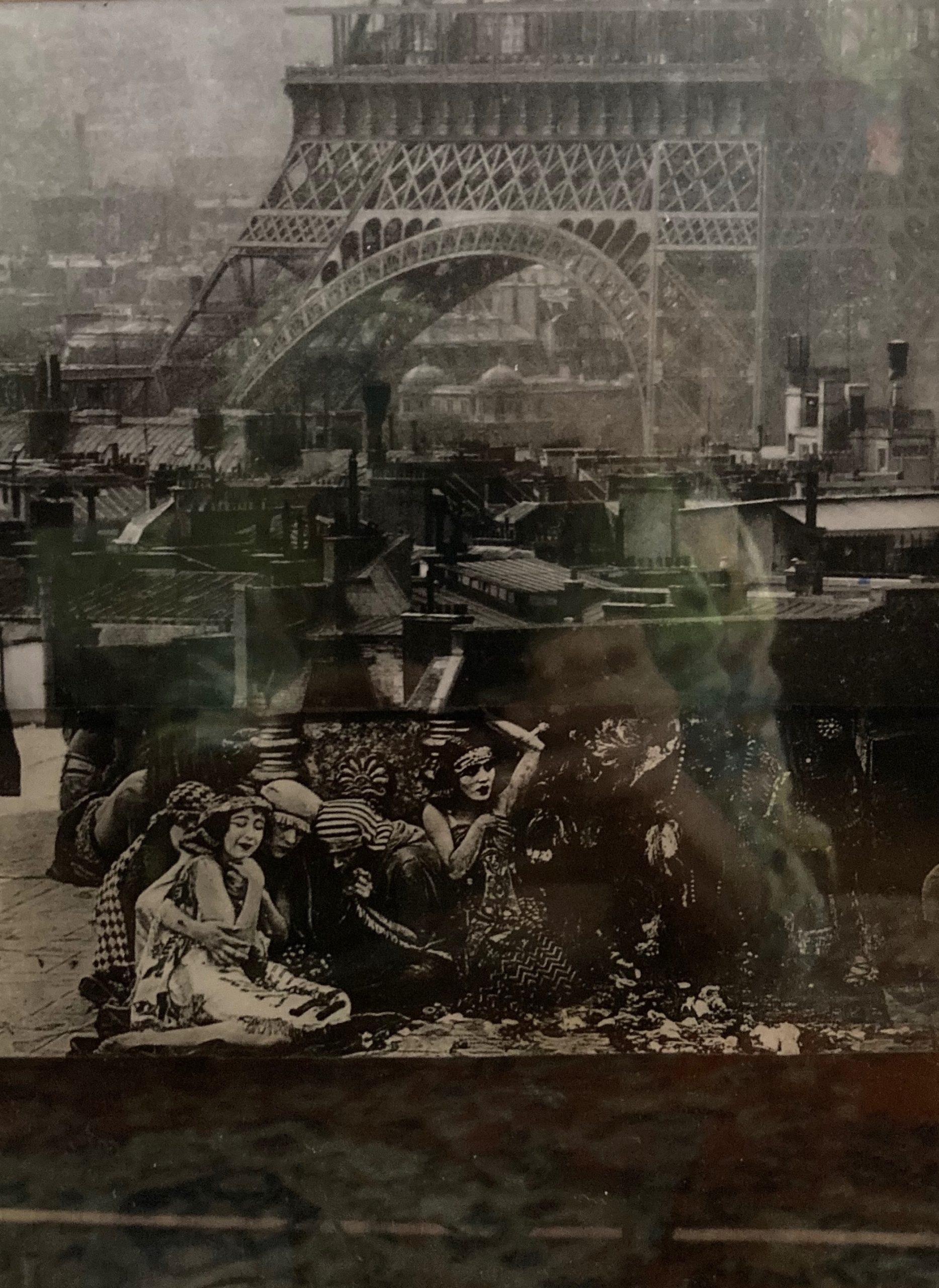
The artist Pilar Cossío returns to the gallery with a series of works in which she develops, through images, her love of cinema, and more specifically of its particular language, its architectures, and its treatment of light. The exhibition, part of which has already been presented in France, includes collages, photomontages, and installations through which she introduces us to the universe of some of the directors who inspire her imagination, including Jean-Luc Godard, Wim Wenders, D. W. Griffith, Bahij Hojeij, and Michel Piccoli.
The Labyrinth and Transparency
Of all her cities, it is in Paris that Pilar Cossío has intensified her connection, whether with Jazz or with Cinema, creating ambitious projects which, since the late 1990s, have permeated a significant part of her work.
We must thank Philippe Blanchon for inviting her to participate in the project devoted to Jean-Luc Godard, La Nertée (2023). This event, undoubtedly a significant one, has given Pilar’s work a new dimension.
This series of drawings, collages, installations, and sculptural objects would go on to articulate important subsequent projects, bringing to light the fortunate connection between cinema, music, and her own poetic language.
Some of her earlier works integrate naturally into this new project, revealing the subtle connection between her practice and the spirit of cinema. This is the case with Desert (kim…), 2001, and Mae Marsh, sortilège, 2000; Niki et la Seine, 2006; Lieder (Huitième, rive lumineuse), 2004, and Astuces de femme-soldat, 2000; Rue Danremont, 2001, among others.
This is, in effect, a history of memory; that is to say, of encounters that take place in the present, regardless of historical temporality. Pilar Cossío’s project thus becomes an opportunity for unsettling incursions into various small—and infinite—possible worlds, while undertaking an extensive process of research.
Within the framework of this poetics, the project represents, within the body of Pilar Cossío’s work, a complex and significant event: an expression of the artist’s desire to highlight and bring into relation the dynamics of cinema and the structuring of her own poetic language, in order to document it and rewrite it.
In a new semantic context, the work is reborn. From a philosophical perspective on the creative process, this body of research gives rise to transversal artistic experiences and forms of extraordinary and unsettling beauty.
The task now is to examine the intersection of the languages of the various fields and disciplines that converge in intermediate and shared forms: the ready-made, collage, painting, drawing, the sculptural object, video, installation, and performance. Thus, the use of the term “multimedia” makes it possible to define this type of work more precisely. (Coined by Agnès Roux, the term evokes both the use of traditional tools and multimedia technologies.)
The artist transforms the project into an extraordinary space in which all these languages intermingle, creating a visual identity and giving the overall conception an eminently plastic character.
The elements of visual space and the simplified representation of forms within her compositions thus become mythology, acquiring a singular value as personal representations.
Within this poetics of pure forms, Pilar has entered into dialogue with other artists, both contemporary and from the past, as well as with other visions of reality, in an intellectual, dialectical, emotional, and existential confrontation.
The proximity of the forest, and its temptation: this is the setting that the artist reclaims and cultivates, as a centre and a place of infinite possibilities.
Two contradictory elements nevertheless coexist in the construction of her language: transparency and secrecy, revealing, at least in part, her artistic thinking, while creating a profoundly rooted bond of identity.
Since the late 1980s, Pilar has used transparent materials in the making of her work. Materials that harmonise with her language and lend her work depth and mystery.
I cannot refrain here from mentioning Bertrand Russell, who, in his celebrated 1903 letter, “The Set of All Sets”, “privileges those moments in which the transparency of the gaze arises, so to speak, from the transparency of the spirit.”
Reflections—and images—of this kind may help to summarise and illuminate some of the feelings undoubtedly evoked by Pilar Cossío’s art, making clear, at this luminous stage of her practice, the grace, intelligence, insight, rigour, and talent of this artist of extraordinary breadth.
Daniel Soutif, París 2024. (Traducción: René Cristano)